
Skip to content

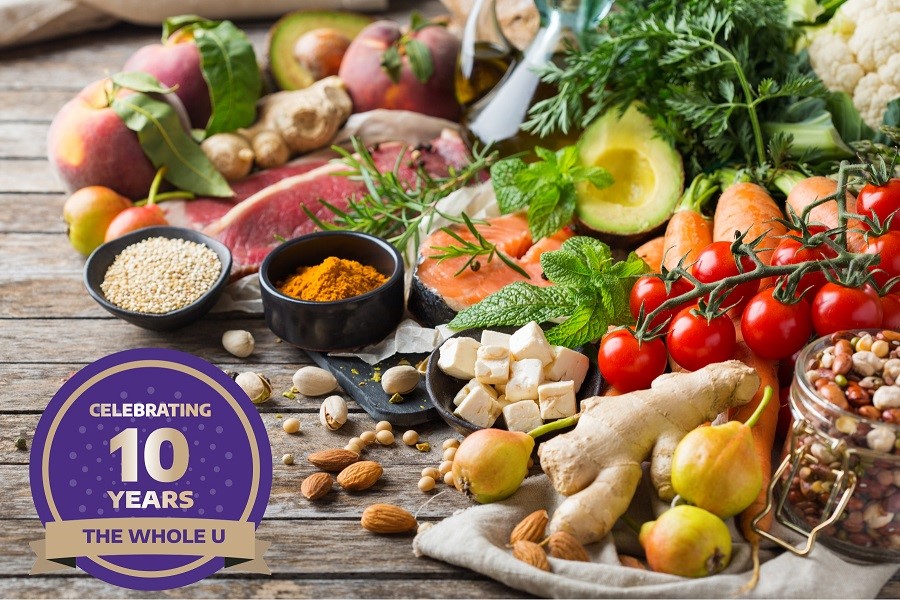
Top 10 ways to properly fuel your body

Nutrition trends can have a major influence on us as we navigate our overall health and performance. We are eager to try the latest nutrition trend that shows up on our social media feeds or the newest supplement or diet that claims to be life changing.

That’s why we asked Judy Simon, UWMC dietitian, about fad diets and trendy supplements. She had three common observations:

  1. They are not sustainable in the long term
  2. They can be very expensive, and
  3. They often lack the varied nutrients our bodies need.

But Simon is seeing at least one positive nutritional trend: a tendency toward eating more plant-based or plant-forward meals—for both health and sustainability.

“You don’t have to be strictly vegetarian to gain the benefits of a plant-forward diet,” she says. “More fiber improves gut health. Optimizing gut health not only helps people feel better now, it also contributes to preventing and managing many chronic diseases. It’s exciting to see a trend towards more fruits, vegetables and whole grains.”

Simon advises making small changes that will have a big cumulative impact on your overall health over time. Being more mindful here and there about the food we eat can set the groundwork for other sustainable wellness goals while helping us feel energized and ready to take on the day.

She adds that the secret to a healthy, balanced diet is really no secret at all. It is simply understanding your body’s needs and finding what works for you. Here, Simon shares her top 10 tips to make a habit of healthy, mindful eating.

1. Get excited about nutrition

Healthy foods are often assumed to be boring and flavorless. With this assumption, it can be hard to be inspired to eat healthy. “Healthy eating is not about being on your best behavior,” Simon says. “It’s about finding delicious alternatives that you will crave. Nutrition is always an easier sell if you link it to food and how wonderfully tasty it can be and how good it makes us feel.”

2. Eat more plant-based foods

Plant-based foods are perfect for providing energy. Simon champions certain carbohydrates for providing energy, such as grains, whole wheat, quinoa and beans. Additionally, fruits, vegetables, seeds and nuts are going to provide energy as well. It is important to note that energy needs will differ depending on the person.

3. Know the difference between hunger and thirst

Water is great for helping with digestion, slowing down fast eaters and providing our bodies with energy. Unfortunately, Simon cautions us that, “a lot of times people mix up their signals for whether they’re hungry or thirsty. If this is true, eating food typically isn’t going to satiate that hunger.”

The real trick to knowing whether you’re hungry or thirsty is reading your body. Take a second and ask yourself when is the last time you drank a cup of water? With a meal, Simon recommends having at least 8-12 ounces of some type of fluid—ideally water-based—then continue to sip throughout the day.

4. Keep a meal log

“For someone who is curious about how they’re doing, eating logs are a really good starting point,” Simon explains. “When you start to enter things in, you become more aware of your habits and notice eating trends you otherwise wouldn’t.”

For example, a lot of us overestimate how many fruits and vegetables we really eat, until we look at our typical day. Phone apps can be helpful for this, but it is important how we interpret the information they give us. Sometimes eating logs can do more harm than good if we are too hard on ourselves. It’s all about finding balance.

5. It’s all about greens and beans

Not sure what exactly to eat? Go for the greens and beans! Greens and beans such as lentils, legumes, and beans, are a great source of protein and fiber. Thirty percent of a bean or lentil is protein! Soy, edamame, and lentils are also more affordable sources of protein if you’re looking to eat healthy on a budget.

“Beans have iron, fiber, magnesium, and so many other good nutrients! Greens as well have great amounts of folic acid, iron, potassium, and Vitamin K. Greens and beans are perfect for whipping up a variety of meals with many different combination options!”

6. Incorporate healthy fats

Healthy fats are a great addition to every meal because we need the fat to absorb some of the vitamins from our greens and beans. “Adding in a little fat like a small bit of olive oil, seeds, nuts or avocado is a great source of fat and energy,” Simon says. “Obviously, we don’t want too much, but it’s a great source of energy!”

7. Front-load your energy with breakfast

For those of us who have a busy day where we need to be alert and on our toes, front-loading our energy by having a fulfilling breakfast is the perfect way to fuel. If you swear you can’t eat anything before noon, try and see the difference in how you feel. There are so many options for a filling breakfast, whether you eat the minute you wake up, take it on the go, or wait until you’re sitting at your desk.

“It doesn’t have to be a traditional breakfast! It can be leftover dinner for breakfast, a little wrap with veggies, hard-boiled eggs, or a power bowl,” Simon says, cautioning that, “skipping breakfast can be bad if you don’t eat for several hours after waking up. You’re putting your body into starvation mode after a long fast and then it wants to hang onto fat. This makes you want to eat more later.”

8. Read your labels

Food labels not only tell us the nutrients in our food, but also each individual component. Simon recommends comparing the nutrition label with the ingredients and really thinking about what is added and what is from a whole food. For example, sometimes you’ll read a label and it has sugar hidden behind five different ingredients. With sugar, really look to see if the sugar is added versus part of a key ingredient such as fruit.

A common misconception with labels is that frozen foods are all bad. When things are out of season, Simon says it is okay to eat frozen. Most frozen fruits and vegetables are picked at the time of freshness and immediately frozen so they’re not processed. Watch out for the sauces, and don’t forget to look at the label for sneaky additives!

9. Pack and plan ahead

Packing ahead saves time and money. We all have those moments where it’s the afternoon and we’ve already eaten our lunch but need a little something to tide us over so we buy a bag of chips and dig in. This won’t give us energy or help us last until dinner.

Instead, pack ahead stable foods that provide energy and don’t need refrigeration. Whether it’s an energy-packed granola bar or a peanut butter sandwich, these snacks require less effort to maintain, but give us that much needed boost.

10. Know your environment

Sometimes we don’t have a choice where we eat, but when we do, make the decision to not eat distracted. The worst place we can eat a meal is on the couch with the television on. Challenge yourself to clear off a counter and eat with purpose. Focus on how the food tastes and whether it’s meeting your nutrition needs.

“You don’t need a traditional dining room,” Simon says. “Turn off the devices and make eating a fun, sit-down experience. If you’re by yourself, put on some music. Do something that creates a space to focus on your eating. You’ll feel more satisfied and improve your digestion.” With spring just around the corner, it’s even better to get outside if you can!

Learn more

Healthy living is all integrated. Simon says simply asking ourselves, “what am I doing for self-care?” can go a long way toward helping us recognize our food patterns: “Have confidence and build on the skills that you have when it comes to eating healthy. Don’t feel like you have to be an amazing chef to cook a good meal. Start simple and experiment”

Judy Simon has presented for The Whole U many times over the years. Below is her latest seminar on nutrition for optimal health.

20 tips to save money at the grocery store

Trips to the grocery store can be expensive, especially if you have a lot of mouths to feed. The average U.S. household spends $4,942 on groceries per year, based on 2020 U.S. Bureau of Labor Statistics data. That’s roughly $412 per month. With inflation rising and continued supply chain shortages due to the COVID-19 pandemic, many individuals and families have noticed that grocery bill rising even higher.

There are a lot of factors that impact the cost of your groceries, such as your diet, budget, region, and number of people eating in your household. While most of these are factors that we cannot control, there are various strategies on how you grocery shop that can help you save your hard earned cash.

If you are struggling to meet your basic food needs, we encourage you to visit Any Hungry Husky to learn more about resources for food instability. Food instability is common and there are many pantries and programs to help. If you are in a place where you can give, visit this resource article from the UW Combined Food Drive to see how you can contribute.

Here’s 20 tried and true tips for your next grocery shopping run. These won’t answer all the questions, but at the end of the day every dollar counts. Try a handful and see how much you can see.

Use a cash back credit card.

Depending on how much your average grocery bill is, using a cash back credit card to make your grocery purchases can be a great way to get those precious dollars back! Some cards can even offer up to 8% back on purchases, depending on how the card works. Click here to see which cards NerdWallet recommends for grocery shopping in 2022.

*Be sure that you only spend as much as you would in cash or from a debit card, and read the fine print. Some cards have special rewards cycles, and if you’re able to follow along, that’s when you can really ring in the benefits.

Sign up for loyalty programs.

Most grocery stores have loyalty programs that provide points for cents off at the gas pump, coupons for your favorite items, and full access to store sales. Generally, grocery loyalty programs are free to join. If you shop regularly at a large retailer, these programs can really help shave dollars off your final bill.

Consider joining a wholesale club.

Wholesale clubs like Costco and Sam’s Club do have an annual fee, but if you are a large family or are able to shop in bulk and store items, you can really save. Items like beans, nuts, seeds, canned goods and cooking ingredients tend to be cheaper when purchased in bulk through wholesale clubs. Wholesale clubs like Costco can also help you save on gas if you live in an area where gas is expensive-like here in Seattle!

One trick to seeing if your wholesale club is cost effective for you is to keep a log in your first year. While tedious, you’ll be able to see if you saved money and how much. Start by logging what you buy, how much you got, and how much it cost. Compare to your local grocery store and estimate how much you would have spent on the same goods. Subtract your annual wholesale membership fee, and see what your bottom line is.

Stick to your list and set a realistic grocery budget.

It’s a tale as old as time. Going to the store with no grocery list can really increase your final bill! Shopping by the list can be a great help to save more at the grocery store.

Not sure how to structure your list and navigate the store? Click here for The Whole U’s guide to navigating the grocery store.

Setting a grocery budget can be difficult, but it is important to understand your limits and needs. What foods can you afford? What is a splurge and what are your staples? Click here to learn more about grocery budgeting and recommendations for how much of your income to spend.

Quick note: Groceries typically fit into the necessities bucket of your budget.

Avoid pre-packaged items and prep your own food.

Pre-packaged items like yogurt, hummus, and snacks are convenient, but they cost much more than if you purchase in bulk and package at home. A few ways you can do this is to invest up front in Tupperware or glassware you will use ongoing or repurpose store containers. Save your cream cheese containers, clean them out, and voila!

Avoiding pre-packaged foods is great for the wallet and the environment. Shopping second hand is another great way to find gently used glass bottles to start packaging your goods.
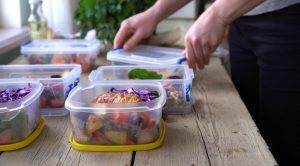
Make bulk batches and freeze meals.

Do you find you are constantly purchasing too much food, and then it’s going bad? Making your meals in bulk and taking advantage of the magical qualities of a freezer may be the trick for you. Then, the following week when you’re too tired to cook, you can pop your prepared meal in the oven or microwave and be good to go.

This may also help you visit the store less. You won’t have to return as soon when you have meals prepared and waiting for you.

Got time on your hands? Compare prices.

My grandfather always shopped the daily paper looking at advertisements and comparing prices. I used to wonder how it was worth the effort, but now I find myself doing the same. If you have the flexibility to visit multiple stores, shopping paper or online advertisements can be a great way to find the best deals. There’s no need to feel married to one store.

Pro tip: If you don’t get the advertisements in your mail or online, you can always find copies in the front of most grocery stores when you first enter. Ask a clerk if you need assistance.

Buy generic brands.

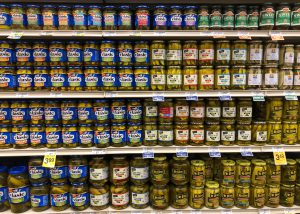
I will always laugh at the fact that I used to beg for the MAIN BRAND! At the end of the day, generic brands taste just as good and cost less. Win, win! It’s a known, but often forgotten, trick that grocery stores keep the more expensive items at your eye level. Look up and down. That’s where you’ll find Kroger cereal, crackers, etc.
Bring your own bag.

This is a very simple, yet effective tip and it really does add up. Let’s say you live in Washington state. We have an 8 cent bag tax. Some regions it’s even higher, and this fee is taxable because the store is selling you the bag. If you go the store about 2 times per week and purchase a bag, that’s about $10 a year. That may not sound like a lot of savings, but it’s a yummy coffee or lunch item. And using your own bags is better for the environment. We love a win, win.

Clip coupons.

We’ve all heard of those extreme coupon clippers…they save thousands of dollars each year! While this takes all sorts of time and energy, keeping track of what you buy each month and saving coupons from both the manufacturers and the stores you shop at can give you generous savings each year.

Plan recipes ahead of time.

If you know what you’re going to be cooking and eating, you can make fewer visits to the grocery store and be successful in one large haul. This tip goes hand in hand with having a good list prepared before you visit the store and utilizing freezer storage. When you know what recipes you’re cooking, it’s not as tempting to throw yummy things in your cart that may end up going to waste.

Not sure where to start? Download this guide to meal planning and preparing from The Whole U.

Without planned meals, you may also buy something that sounds good, go home, and realize that you need even more ingredients to go along with that item. After you head back, you’ve spent more than if you had a list based on your meals pre-planned.

Shop alone and on a full-stomach.

If you have the luxury of shopping alone, you can make your trip a mindful experience. Yes, I really said that about the grocery store! Take your time and try not to get wrapped up in the hustle and bustle of it all. Fit your grocery shopping into a time in your week that you can carve out intentionally for you.

You won’t be coaxed into buying things you don’t need by other people who had to come with you, and you’ll be able to make better decisions on what you really need.

The next part of this tip is to never shop hungry. We all know where that leads…a cart full of comfort, quick fix food that is typically more expensive. It’s also difficult to shop hungry, our brains just cannot compute!

Take inventory before you shop.

We’ve all been there. Standing in the aisle wondering, “Do I have eggs at home?” It’s just the worst buying double, coming home, and realizing you already have something. Especially if it is perishable. It’s difficult to shop unprepared. Knowing what is in your pantry, freezer, and fridge is a guaranteed way to help you save money.

One way to do this is to keep a kitchen inventory. Some people swear by the reverse list: Keep a list of all the things you have and regularly use. Cross off when you are out of that item, and then it moves to your ‘Need to buy’ list. When it’s time to shop, you already have your list and are ready to go.

Shop in season.

Are you buying blackberries in winter? Odds are they cost much more than when they are in season. Shopping your local and seasonal produce is a great way to save money on produce.

Click here for a Washington seasonal produce guide from The Whole U. Print it out and display in your kitchen, and you’ll never have to wonder what’s in season anymore.

Consider limiting high priced items.

There are some luxury items that are always going to be more expensive. Consider limiting these items and making them more of a treat. Things like alcohol or meat. You can try meatless Monday’s, and creating meals focused on lower priced items. Vegetable and bean-based protein is more nutrient dense and more affordable.

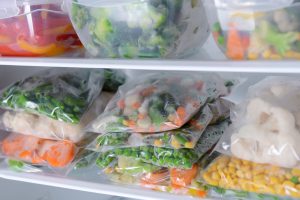
Buy frozen vegetables and fruits.

Are your vegetables always going bad? What a waste of food and money! Consider buying frozen goods so that you can extend the shelf-life of your favorite produce. It’s a myth that frozen fruit and vegetables aren’t good for you. Frozen is a great option for many households.

Don’t get down on yourself if you’re not able to sustain cooking fresh food. We all have different needs and lifestyles, and frozen veggies and fruits are better than nothing at all.
Shop at discount grocery stores.

Consider mixing discount stores like Grocery Outlet and the Dollar Store into your shopping rotation. These stores often carry the same products for a much better rate.

Pay attention to the price per unit.

Ah the price per unit, the extra numbers on the price ticket that everyone gets confused by. Understanding the price per unit is a great way to know what the best deals are. If you only shop by the price listed, you may not notice that you could buy the same item in a large quantity and higher price, but at the end of the day, you are saving more.

*Make sure to factor in whether you can store the item properly to preserve.

Click here to read how to understand the price per unit.

Find out when your store’s discounting cycle is.

Do you always shop at a particular store? Ask your checker when they do the discounting for the week. Often, weekdays are cheaper than weekends, and stores tend to begin sales mid week, especially on items that will eventually spoil.

There’s no shame in making sure you get the best deals! If you are able to shop early in the day on sale days, even better. You’ll get first access to the best deals and won’t feel rushed by the hustle and bustle of the store.

Pay attention at the register.

If you use only one of these tips, this is definitely one to consider. Stores have complicated sales and thousands of items. Make sure your items are ringing up as listed. If your grocery bill comes out without all the wonderful savings and perks, what’s the point of even shopping for those deals?

Grocery shopping can be stressful and expensive. We hope that these tips help you navigate the store with a little bit more finesse and confidence. Share with us your other favorite tips in the comments below!
Edible berries of the Pacific Northwest

Note: This article is a reflection of the author’s first-hand experiences with berries of the Pacific Northwest and is intended as a starting point to get educated and not as a definitive guide. Unfortunately, we are not able to identify berries on a case-by-case basis at this time.

This summer, whether you’re on an intensive hike or just going for a walk down the street, you are bound to come across some berry bushes. Here in the Pacific Northwest, we are gifted with mild temperatures, rich soil, and lots of rain, which gives our native plant species a great environment to take root and flourish.

Growing up, I experienced berry bushes’ beauty and abundance first-hand at summer camp. There, we learned about nature, the woods, plants, animals, and conservation efforts and the camp instructor was always prepared to stop our group to point out a bunch of berries. There is nothing better in summer than picking some right from the bush. However, with so many varieties present in the Pacific Northwest, it can be difficult to know where to start, or which are okay to eat.

While foraging with caution is always recommended, we’ve compiled some basic guidelines for identification, best uses, and taste of some of the most common berries you might find the next time you talk a walk on the wild side.

Common edible berries of the Northwest

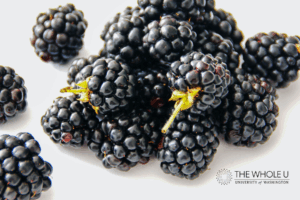
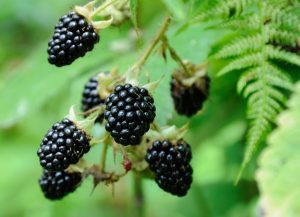
Blackberries

Scientific Name: Rubus

Origins: This berry is known all over the world, but is very popular in the Pacific Northwest. The berry and plant are commonly used by Native Americans in the Pacific Northwest as a food and medicinal plant.

Color and shape: Black when mature; red and green when they are still growing. They are bumpy in shape (Beware of thorns on the plant).

Taste: Very sweet when ripe; sour when unripe.

Where to Find Them: These berries can be found in backyards and along roadsides across the country. Plants grows well in the sun and large patches are known as brambles. Highly invasive Himalayan and evergreen blackberry varieties are non-native European species that are highly invasive and difficult to control. Originally introduced for fruit production, they are now naturalized and widespread throughout the Pacific Northwest and are easy to spot by their large, vigorous, thicket-forming growth and sharp spines covering the stems.

Peak Season: July through September.

Great in: Jams, jellies, pies, and cobblers, or just eaten as-is.

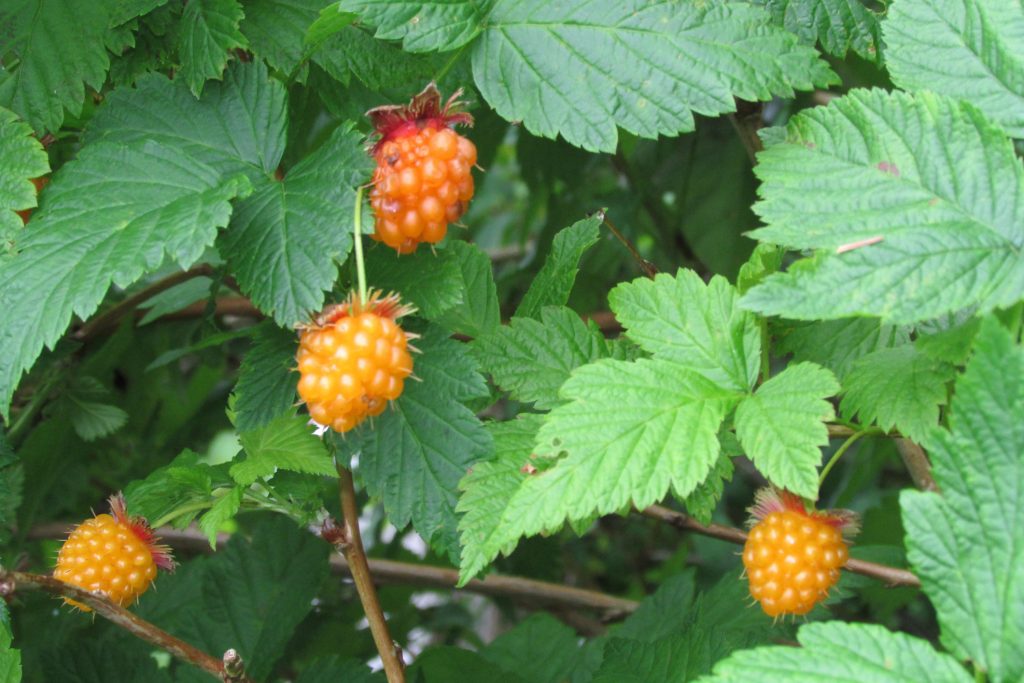
Salmonberries

Scientific Name: Rubus spectabilis

Origins: Native to the West coast of North America, salmonberries are traditionally eaten with salmon or salmon roe by Native Americans in the Pacific Northwest.

Color and shape: Mature berries are most commonly a yellow-orange. Younger berries may appear red. Berries are bumpy in shape, much like blackberries (Beware of the thorns on the plant).

Taste: Mildly sweet to neutral taste.

Where to Find Them: The plant prefers moist, shady areas with a bit of sun and can commonly be found near creeks.

Peak Season: Salmonberries are best from early May to late July.

Great when: Eaten as-is.

Huckleberries

Evergreen variety

Scientific Name: Vaccinium ovatum

Origins: Native Americans in the Pacific Northwest are fond of this berry, often traveling long distances to gather them—eating them fresh or drying them into cakes.

Color and Shape: Mostly black but can appear bluish or purple, Huckleberries are smooth and round.

Taste: Sweet to tart taste.

Where to Find Them: This shrub thrives mostly in the shade with some sun. It is common to find plants sprouting out of or near downed trees or stumps.

Peak Season: The plant is an evergreen shrub, but produces berries in the summer.

Great in: Jams, pies, cobblers, ice creams, or eaten as-is.

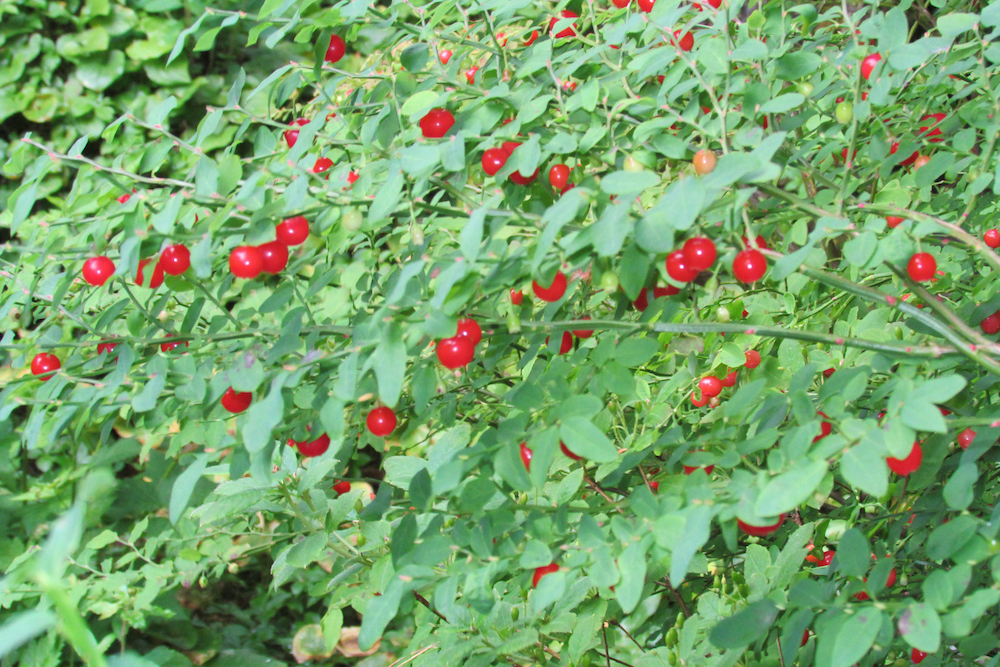
Red variety

Scientific Name: Vaccinium parvifolium

Origins: Native Americans in the Pacific Northwest eat this berry throughout the year—both fresh and dried, often using it as fish bait due to its resemblance to a salmon egg.

Color and shape: Pinkish red berries. They are smooth and round.

Taste: Sweet to tart taste.

Where to Find Them: Similar to its relative the Evergreen Huckleberry, the Red Huckleberry can be found in moist, shady areas, often growing out of or near downed tree trunks or stumps.

Peak Season: Summer

Great In: Jams, jelly, pie, cobbler. Or eaten as-is.

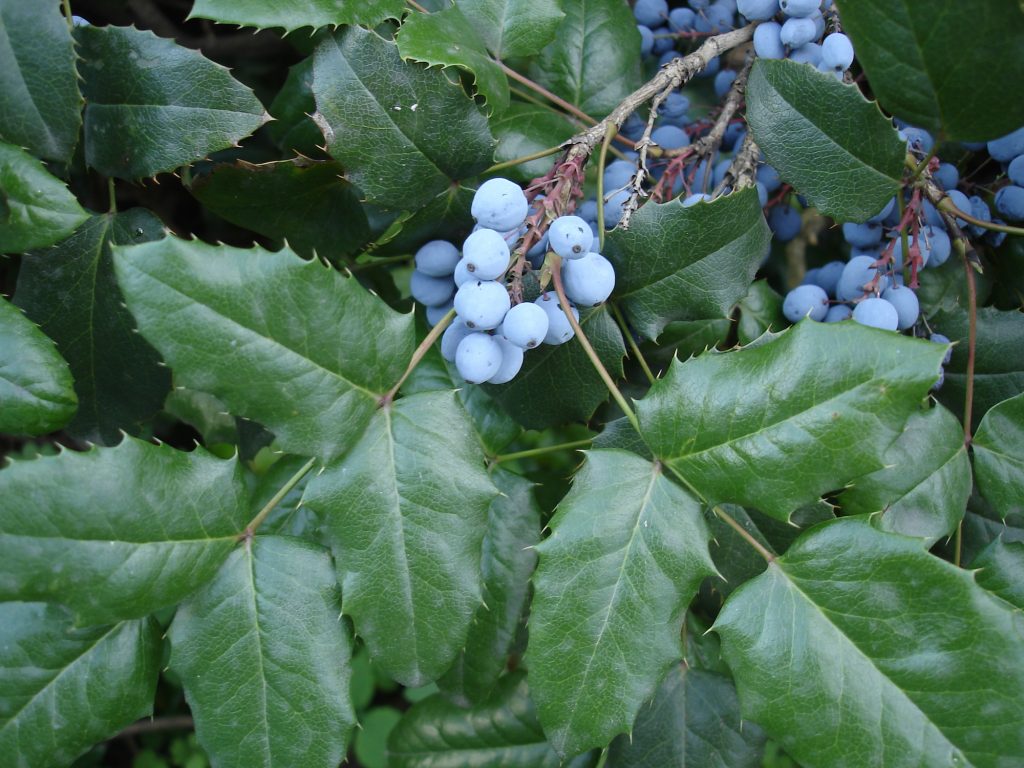
Oregon Grape

Scientific Name: Mahonia nervosa

Origin: Native Americans in the Pacific Northwest have long eaten this berry, but often mix it with sweeter berries to better its flavor. These berries are also used for dye and medicinal purposes.

Color and shape: Blue/purple. They look and taste nothing like a grape. They are small, smooth, round, or slightly egg-shaped.

Taste: Slightly sour.

Where to Find Them: There are two types of Oregon Grape: the Tall Oregon Grape and the Low Oregon Grape. The Low can be found in relatively moist, open forests while the Tall can handle both dry open areas and moist shady areas. Native to western North America, it can be found from the Rocky Mountains all the way to the Pacific Coast.

Peak Season: The plant blooms in spring and produces berries in the summer.

Great in: Jelly or eaten as-is.

Caution: Consume in moderation, as these berries can be toxic in excess.

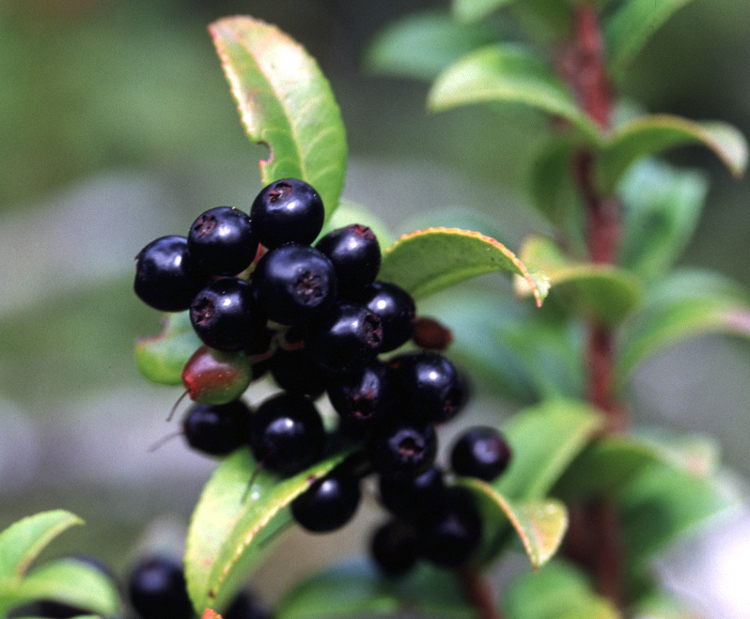
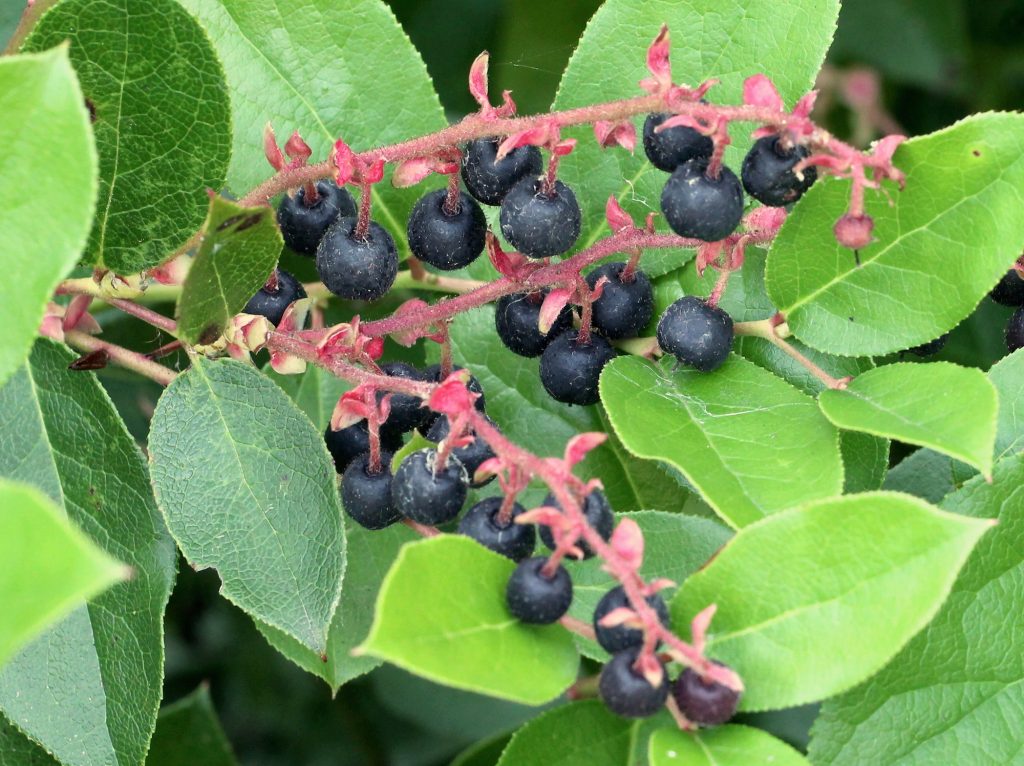
Salal Berries

Scientific Name: Gaultheria shallon

Origin: Eaten by Native Americans of the Pacific Northwest in combination with Oregon Grapes to sweeten them, Salal berries are often dried into cakes.

Color and shape: Dark blue, these berries are smooth and oval shaped.

Taste: Sweet with a mealy texture.

Where to Find Them: Salal plants grow anywhere in a variety of climates. They can do well in moist and shady areas and also in partial sun.

Peak Season: August through September.

Great In: Jam and pies.

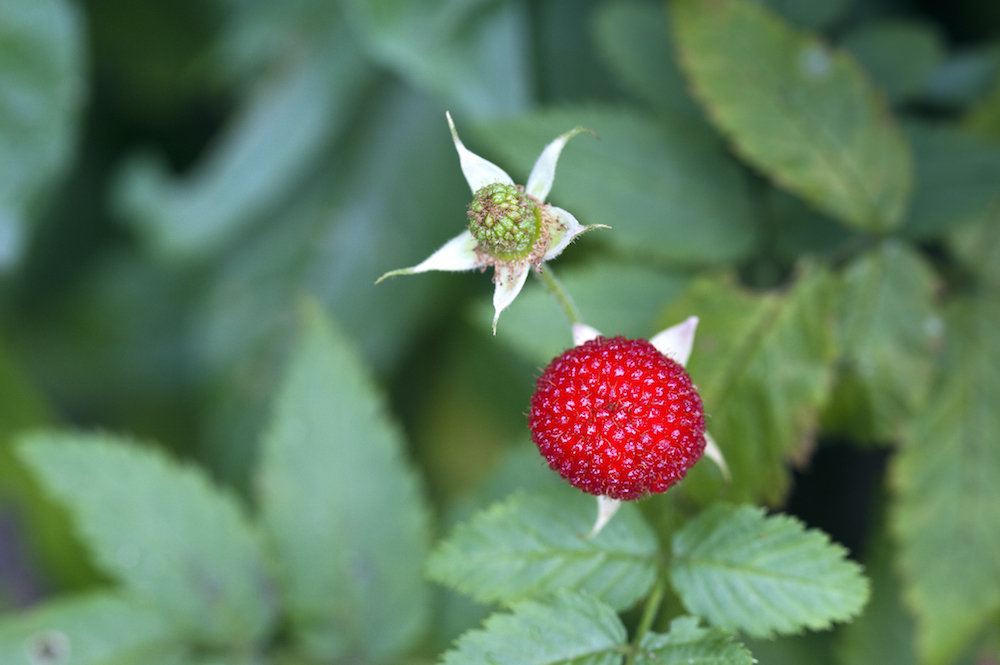
Thimbleberry

Scientific Name: Rubus parviflorus

Origins: This plant ranges from Alaska down the west coast to north Mexico.

Color and Shape: Bright red when ripe, these berries resemble raspberries. The berries’ hollow shape gives them a resemblance to a thimble, although this plant has no prickles like its cousins. Expect a tart flavor when eaten.

Where to Find Them: Found along roadsides and the edges of clearings, it can be one of the first plants to grow after a fire or clear cut. They prefer shady, moist, and cool areas.

Peak Season: July through August

Great In: Eaten as-is, or in jam.

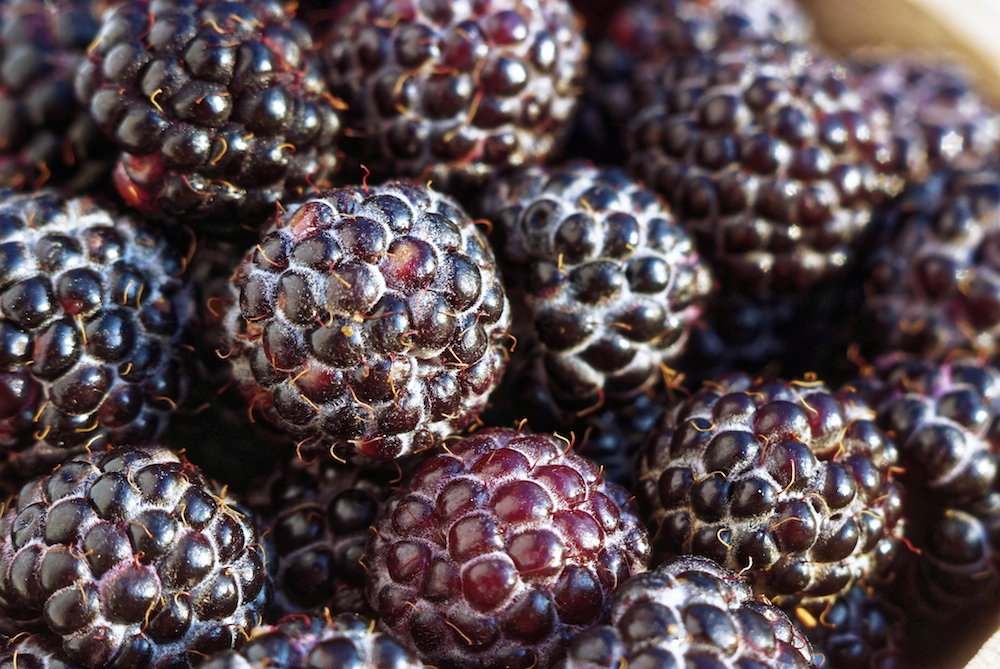
Black Raspberries

Scientific Name: Rubus leucodermis

Origins: Also known as the Whitebark Raspberry, this plant’s range stretches from the Pacific Northwest to north Mexico.

Color and Shape: Similar in shape to a raspberry, unripe berries range in color from red to dark purple, growing darker as they ripen. A way to tell these berries apart from a regular blackberry is the core: blackberries have a white core, whereas a black raspberry is hollow in the middle like a regular raspberry. Black raspberries tend to be more “fuzzy” like raspberries instead of more smooth like blackberries.

Where to Find Them: Usually found in areas of sun to light shade in fields or wooded hills.

Peak Season: June to September

Great In: Eaten as-is.

Common Toxic Berries of the Northwest

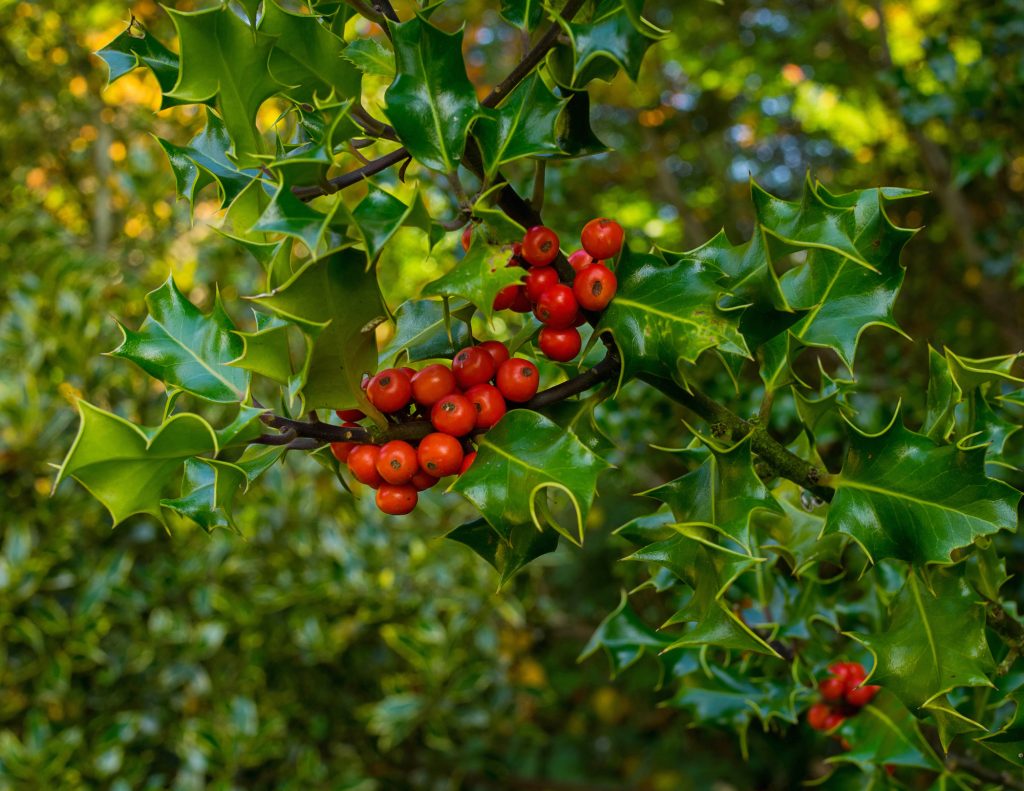
Holly Berries

Scientific Name: Ilex aquifolium

Origin: There are many varieties of Holly plant across the world, but one that’s commonly found in the Pacific Northwest is English Holly. Originally native to the British Isles (often used as a decorative shrub in gardens and popular during the Christmas holidays), this evergreen plant is an aggressively invasive species to the West Coast and is found in abundance across Washington stretching all the way to California.

Color and Shape: Bright red, round berries. The leaves are identifiably spiny.

Where to Find Them: This plant thrives in both sun and shade, growing into large thickets choking out native plant life.

Peak Season: The plant is evergreen and the berries ripen in winter.

Caution: Toxic to both humans and pets.

Can Be Confused With: Oregon grape as their leaves are similar.

Bittersweet Nightshade

Scientific Name: Solanum dulcamara

Origin: Originally from Europe.

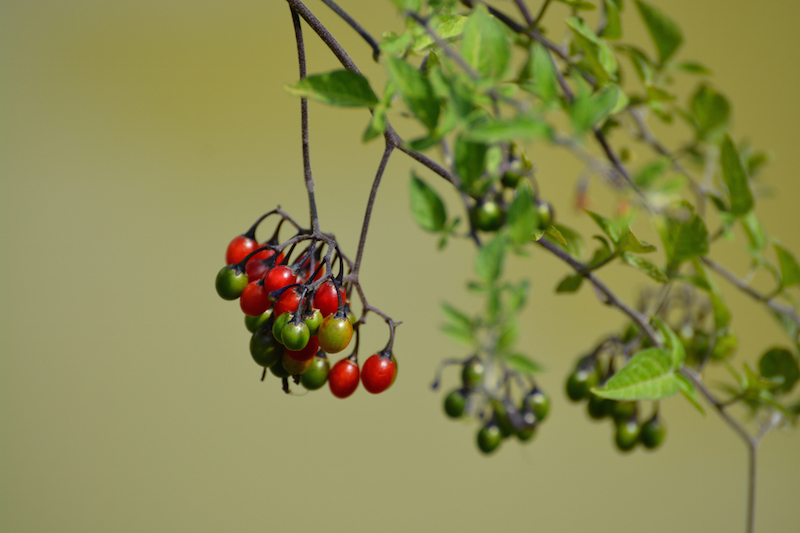
Color and Shape: Small, smooth, oval-shaped red berries, but can also be shades of green and orange when ripening.

Where to Find Them: Found mostly on the edge of empty fields, by roadsides, in backyards, and by streams due to its love of moist, shady areas.

Peak Season: These berries ripen in autumn.

Caution: Toxic to both humans and animals.

Can Be Confused With: Red huckleberry due to similar color and size.

Red Baneberry

Scientific Name: Actaea rubra

Origin: This plant is native to North America and can be found across the Pacific Northwest region.

Color and Shape: Shiny, red, and round, these berries often have a small black spot at the bottom of berry—a surefire sign to not consume it!

Where to Find Them: This plant is found most commonly in moist, shady areas, but can be found in dry slopes.

Peak Season: Berries ripen in July.

Caution: The plant is poisonous, but its berries are most toxic. Toxic to humans, it is also avoided by other types of wildlife.

Can Be Confused With: Red Huckleberry- similar in shape, color, and size.

As you enjoy the summer months here in the Pacific Northwest, be on the lookout for these berries in your outdoor adventures. Always remember, if you are not sure what the berry is, best to look it up first or avoid it altogether. Happy hiking!

The truth about drinking water

We all know just how essential water is for the body. We can’t survive more than a few days without water! Water plays a key role in maintaining normal body temperature, shuttling nutrients throughout the body, lubricating joints, ridding the body of waste, and much more. There’s no doubt how important water is, but there are many myths about how powerful it really is.

Can drinking more water keep skin looking young? And is ice water the secret weapon to weight loss?

We’ve rounded up some of the most popular assumptions made about water, and debunked whether each is FACT or FICTION. See how many you get right!

Drinking water results in more trips to the bathroom.

Healthy adults will get rid of the same amount of fluid that they consume in order to keep a healthy balance in the body. When you drink water, a system involving the kidneys, various hormones, and the brain sense the rise in fluid in the body. Then the system works together to restore that healthy balance by getting rid of the excess fluid by making and excreting more urine. Drinking water also helps with easing constipation and facilitating bowel movements. So, drinking more water will result in more trips to the bathroom!

Verdict: Fact (under normal conditions)

Drinking water before taking a bath helps lower blood pressure.

Drinking a glass of water will trigger the same pathways mentioned above and your blood pressure will not be affected because it is under the tight control of various hormones. If you are severely dehydrated and your blood pressure drops below the normal level, that system of hormones will cause you to feel thirsty. In the case of dehydration, drinking water will actually help increase blood pressure to a normal level.

If you are looking for ways to lower blood pressure, cutting back on salt intake and bumping up your physical activity level are great steps to take.

Verdict: Myth

Everyone should drink eight glasses of water a day.

Dehydration is a serious issue that can cause cramping, loss of mental focus, and an increased risk of heat stroke. The Institute of Medicine recommends that men drink 13 cups of fluid a day and women drink 9 cups to stay adequately hydrated.  Even though the recommendation is a good starting point, in actuality how much fluid your body needs depends on a lot of factors. For example, your need for water increases with hot weather, sickness, and vigorous exercise. Women who are pregnant or breastfeeding are also recommended to consume more fluids.

Keep in mind that “fluids” come not just from water, but also from soups and other beverages like milk, tea, and coffee. Foods such as watermelon, cucumbers, and tomatoes contain fluid too!

So, how can you tell whether you’re drinking enough water? By how frequently you are thirsty along with the color and smell of your urine.  If you are drinking enough water, you should rarely feel thirsty and your urine should be colorless or a pale yellow without a strong smell.

Verdict: Myth

Being well hydrated will protect the face from wrinkles.

Skin is made up of about 30% water and dehydration causes skin to turn dry and flaky. Wrinkles form easier on dry skin because it is less elastic and resilient than skin that is well hydrated. For those who are regularly dehydrated, drinking more water can improve skin hydration and slow down early formation of wrinkles. But for those who drink enough water, adequate skin hydration is not enough to prevent wrinkles completely because wrinkles form mainly as the result of a combination of genetic influences, sun exposure, and damage from the environment (such as pollutants).

Verdict: Mostly myth

Drinking ice cold water helps to lose weight.

Drinking a glass of water before you eat fills you up a bit, and that sensation of fullness may cause you to eat less. Dehydration also revs up your appetite, which can lead to consumption of excess calories. So drinking enough water is essential to weight loss efforts. But does the temperature of water matter?

When you drink a cup of ice water, you burn about eight more calories than downing a cup of room temperature water because your body will work to raise the temperature of the ice water to normal body temperature. Let’s say you drink 10 cups of ice water today, which means that you would have burned about 80 extra calories.  Those 80 calories can be easily gained back by eating one stick of string cheese, one hard-boiled egg, or one medium chocolate-chip cookie! Drinking cold water makes such a small dent in the calorie balance that it will not help you lose weight if your eating and exercise pattern stay the same.

Instead of focusing on the temperature of the water, tried-and-true ways of weight loss involve changes in physical activity and eating. Incorporating more exercise into your life to build lean muscle will help you to burn more calories, even at rest. In terms of diet, a good place to start is modeling your meals after USDA’s MyPlate, which involves making half your plate fruits and vegetables, a quarter of the plate a starch (preferably whole grain), and the other quarter a lean protein along with a serving of low-fat dairy on the side. If you would like help and accountability with weight loss, a registered dietitian will be able to personalize a plan that is just right for you!

Verdict: Myth

Drinking a glass of water before bed prevents heart attacks and strokes.

The American Heart Association, Centers for Disease Control and Prevention (CDC), along with other national health organizations, recommend several ways of decreasing your risk of a heart attack or stroke. These recommendations include keeping a healthy weight, staying physically active, eating healthy, managing stress, and refraining from smoking. Drinking a glass of water before bed is not on the list. If you have to wake up in the middle of the night and go to the bathroom, Dr. Rosenfeld noted that this actually heightens your risk of heart attack and stroke because your sleep cycle is interrupted. Not getting enough sleep is linked to higher stress levels, increase in appetite, and cravings for high-fat, high-sugar foods  none of which are good for heart health and stroke prevention!

Verdict: Myth

So here you are! All these myths (except one) have now been busted. Water is clearly beneficial for you, and is essential for everyday life. But as you can see, not all claims about water are true.

Juicing vs. blending: What’s the real difference?

We all know fruits and vegetables are good for us — but did you know eating five or more servings a day can lower your risk of stroke by up to 26% and reduce your chance of dying from cardiovascular disease? Research has even found that the antioxidants in fruit and vegetable juices may help delay the onset of Alzheimer’s disease.

The bottom line: the more produce you eat (or drink), the better. But getting in all those servings isn’t always easy — especially on busy days. That’s where juicing and blending come in.

What’s the difference?

Juicing extracts the liquid from fruits and vegetables, leaving behind most of the pulp and fiber. The result is a thin, concentrated beverage rich in vitamins, minerals, and phytonutrients — but without the filling fiber. Juicing requires a juicer designed to separate juice from pulp.

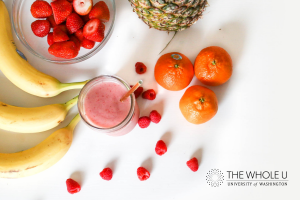
Blending, on the other hand, uses the whole fruit or vegetable. Everything you put in the blender ends up in your glass, creating a thicker drink (a smoothie) with more fiber and volume. You can use a standard blender or a higher-power version like a Vitamix.

Example: You’ll need about two oranges, one stem of kale, half a red pepper, one cup of berries, and one stalk of broccoli to make one cup of juice — but the same amount of produce makes roughly three cups of smoothie.

Juicing at a glance

  • Produces a smooth, nutrient-dense drink in a smaller amount of liquid.
  • Works well for those who need a low-fiber diet or prefer lighter beverages.
  • Because it’s concentrated, keep portions smaller to avoid excess sugar.
  • Requires more produce per serving, which can make it more expensive.

Example: Two oranges, one stem of kale, half a red pepper, one cup of berries, and one stalk of broccoli make about one cup of juice.

Blending at a glance

  • Uses the entire fruit or vegetable, keeping all the fiber intact.
  • Results in a thicker, more filling drink that supports digestive health.
  • Lets you add extras like nuts, seeds, yogurt, or oats for healthy fats and protein.
  • Produces a larger portion — about three cups of smoothie from the same amount of produce used for one cup of juice.

Which one is healthier?

Both can be part of a healthy lifestyle — it depends on your needs and preferences.

  • Choose juicing if you want a quick vitamin boost or need to reduce fiber temporarily. Just keep portions small to avoid excess sugar.
  • Choose blending if you want the benefits of fiber, protein, and healthy fats. Smoothies keep you fuller longer and support digestive health.
  • Do both! Alternate between juicing and blending to mix things up and use produce before it spoils.

Tips for juicing and blending success

  • Keep fruit to 1–2 servings per drink (½–1 cup) to avoid excess sugar.
  • Load up on greens — kale, spinach, parsley, and cabbage taste milder than you might think.
  • Add citrus (especially lime or lemon juice) to cut any bitterness.
  • For juicing, use high-water veggies like cucumber and celery for extra volume.
  • For smoothies, add water, coconut water, or milk to reach your ideal consistency.
  • Invest wisely — higher-horsepower machines perform better and last longer.

Whether you prefer the clean taste of fresh juice or the hearty texture of a smoothie, both are easy ways to boost your daily fruit and veggie intake — and reduce food waste in the process. Always consult your medical provider before making significant dietary changes, especially if you have a medical condition.

How to talk to teens about healthy eating

Helping teens make healthy food choices can feel like a challenge, especially as they begin spending more time with friends and gaining independence. Fast food and snacks are everywhere, and the idea of “talking nutrition” might earn an eye-roll faster than you can say kale.

Still, conversations about food don’t have to feel like lectures. When approached with curiosity and connection, they can empower teens to see healthy eating as a way to fuel what they love, from sports to studying to hanging out with friends.

Here are ten ways to make those conversations more natural and effective.

1. Find the right moment.

Skip the formal “we need to talk.” Instead, notice when your teen opens up naturally on a drive, while cooking together or before bed. As family therapist Dr. Ron Taffel says, “Pay attention to when your kid opens up naturally.” Timing and tone matter more than the words themselves.

2. Listen first.

Teens respond best when they feel heard. Try asking open-ended questions like “What do you like about that new restaurant?” or “How do you feel after certain meals?” Listening builds trust and understanding.

3. Focus on the positive.

Notice and acknowledge good choices. Grabbing fruit instead of chips, trying a new veggie, or cooking at home. Encouragement goes further than criticism.

4. Cook together.

Meal prep is a great way to talk about nutrition without talking about it. Let your teen choose recipes or ingredients and guide small swaps like baking or broiling instead of frying.

5. Keep healthy foods on hand.

Stock the kitchen with easy, appealing options: fresh fruit, cut veggies, yogurt, nuts and whole-grain snacks. When healthy choices are visible, they’re more likely to be eaten.

6. Connect healthy eating to what matters to them.

Disease prevention may not motivate teens but energy, sports performance, clear skin and focus in school might. Frame nutrition in ways that support their immediate goals.

7. Be a role model.

Actions speak louder than lectures. When you make balanced choices and enjoy them, your teen will notice.

8. Let natural consequences teach.

Sometimes experience is the best teacher. Feeling sluggish after skipping meals or overdoing sugar can help teens understand the “why” behind moderation.

9. Avoid weight-focused talk.

Steer clear of scales, numbers, or body comparisons. Instead, emphasize how nutritious foods support strength, energy and mental well-being.

10. Be patient.

Change takes time. Celebrate small wins and remember that consistency and calm guidance make the biggest long-term difference.

Healthy Snack Ideas for Teens

Keep a few of these on hand for grab-and-go moments:

  • Veggie sticks with hummus

  • Whole-grain crackers

  • Peanut butter with fruit or crackers

  • Fresh, dried, or frozen fruit

  • Popcorn (popped with oil)

  • Beef jerky

  • Yogurt smoothie drinks (low-sugar options)

  • Nuts or trail mix

  • Cheese sticks and whole-grain crackers

  • Tortilla wraps with lean meat, cheese, and veggies