
Skip to content

Accessible movement: Explore the IMA’s adaptive fitness equipment

At the University of Washington, we believe that wellness is for everyone, regardless of abilityThat commitment is on display at the Intramural Activities Building (IMA), where adaptive resources for faculty, staff and students with disabilities have been significantly expanded, enhanced and are consistently being evaluated and ready to expand.

In Autumn 2023, the IMA launched a major upgrade to its adaptive fitness offerings, transforming how inclusive wellness is experienced on campus. One key improvement was the reimagining of the IMA’s designated Adaptive Space. Previously, adaptive equipment was scattered throughout the facility, making access difficult and inconsistent. Recognizing the need for centralized, clearly labeled, and easy-to-use resources, the Fitness Facility Work Team took action.

The result? A thoughtfully curated space where members of the UW community with disabilities can engage in movement and wellness comfortably, confidently, and independently.

A look inside: Accessible equipment at IMA

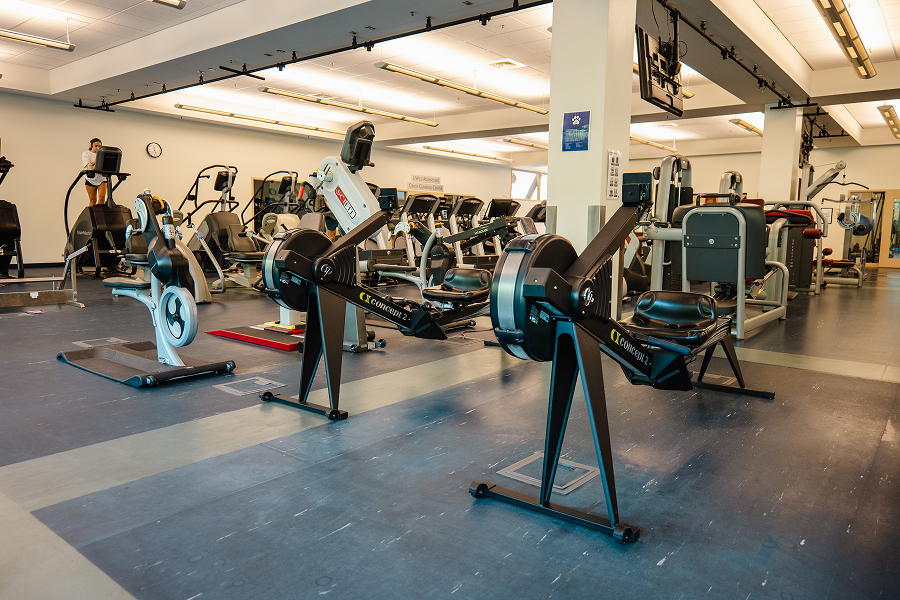
From cardiovascular training to strength-building, our Adaptive Space features high-quality, disability-accessible equipment. Adaptive equipment adjusts to individual needs, making movement more inclusive. Here’s a sample of what’s available—complete with video links featuring Rec Personal Trainers demonstrating proper use:

  • Cable Crossover Machine – Multi-functional and adjustable for a range of abilities
  • Hand Crank Machine – Upper-body cardio/strength building for those with limited lower-limb mobility
  • NuStep Machine – A favorite for total-body low-impact workouts
  • Rickshaw Machine – Designed for strengthening the upper body, especially for wheelchair users
  • Rowing Machine – Adaptable for seated or supported users
  • SciFit Machine – Ergonomically designed for inclusive upper-body conditioning
  • VitaGlide Machine – A cardio machine tailored for wheelchair accessibility
  • Active Hands Gripping Aids- Help users securely grasp weights or handles

We also have an ADA-accessible pool, featuring a zero-entry ramp (with available pool wheelchair) and a chairlift.

We hope to continue bringing in more adaptive equipment to the facility and are always looking for meaningful improvements and expansions.

Getting started: Tips for newcomers

If you’re living with a disability and unsure how to begin an active lifestyle, the IMA is here to support your journey. Here are a few steps to help you get started:

  1. Talk to your doctor or physical therapist – Get recommendations tailored to your health and mobility needs.
  2. Meet with an IMA Personal Trainer – Our experienced trainers can design a program customized to your goals and abilities.
  3. Request a Facility Tour – Staff are happy to walk you through the space and explain available resources. Email Recinfo@uw.edu to set up a tour!
  4. Plan Your Visit – Avoid peak hours (typically 4:00–8:00 p.m.) for a more relaxed experience.
  5. Explore the Pool and Group Fitness Offerings – Many options are low-impact and welcoming to all. Email Josie at Jvklay@uw.edu to learn more about our pool and accessible locker rooms!
  6. Bring a Friend – Having a workout buddy adds encouragement and fun.

The IMA’s adaptive upgrades reflect the university’s dedication to health and wellness for all.  By providing top tier spaces and expert guidance, the IMA empowers every member of the UW community to move, grow, and thrive—on their own terms.

Ready to explore? Join the IMA and discover how fitness can be adapted for you.
Affordable rental housing through Seattle’s MFTE program 

Whether you are saving money toward purchasing a home or simply watching your expenses, managing your rent costs makes good financial sense. Budget advisors generally recommend keeping housing costs at 30% of your household’s income or less. This can be challenging in the city of Seattle, especially for families earning moderate to low incomes. While average rents in our area declined during the pandemic, they are still among the highest in the country.

The Multi-Family Tax Exemption program, known as MFTE, is part of the City of Seattle’s efforts to make available more affordable rental options. MFTE gives landlords tax incentives if they commit to charging below-market rents to some units in their building. These rent-restricted units are available only to tenants who earn less than a certain percentage of the area’s median income.

UW employees receive priority access to rent-restricted MFTE units at Bridges @ 11th, an apartment complex located in the University District.

Seattle’s Office of Housing website includes full details about the program, including answers to frequently asked questions about MFTE, but the team at Bridges@11th shared some MFTE highlights to help you determine if the program may be right for you and walk you through the typical MFTE process.

1. Find out if you qualify

To qualify for MFTE, you will need to verify that your household income falls within income eligibility limits which currently range from 40% – 90% of Seattle’s area median income (AMI). If you qualify, your rental rates will be capped based upon your household income and the type of unit you rent. Visit the city’s website to compare your household income with the current MFTE income and rent limits.

2. Find a property

To see if there are MFTE properties where you want to live, see the list of MFTE properties on the city’s website. It includes roughly 180 properties located throughout the city, their locations, contact information and the types of units they offer. You’ll need to contact properties and ask about their current availability.

3. Submit your application and join the wait list

You will need to provide a Resident Eligibility Application (REA) to each MFTE property where you apply, and landlords will verify your income at the time they offer you an MFTE unit. Depending on your property’s MFTE agreement, you may need to re-qualify every year or only if you change MFTE units. At Bridges, for example, the REA and income verification are a one-time process that will qualify you for the program as long as you stay in your assigned MFTE unit.

If your preferred property does not have MFTE units available, ask if they have an MFTE wait pool or contact list. You may not be offered an MFTE apartment immediately, but housing situations change quickly and applicants in the wait pool may be offered apartments more quickly than they expect.

4. Keep an eye out for additional incentives

Now is a good time to look for new rental opportunities because many landlords are offering incentives. Each property offers their own incentives and the up-front savings can return nearly a full month’s rent to your pocket. For example, Bridges @ 11th is currently waiving the application fee and security deposit. If you have questions, you can email Kelly Menne (Bridges@AmericanCampus.com), general manager of Bridges @ 11th, call 206-569-5416 or visit www.bridgesat11th.com.


Community Relations and UW WorkLife work together to identify affordable housing options for UW employees, including properties that offer priority selection to qualified applicants who are UW staff or students. Visit WorkLife’s Affordable Rental Housing page for more information and subscribe to the UW Insider for updates about affordable housing resources.

Managing housing costs is one way to stay financially fit. Learn more ways to build your financial confidence and get closer to reaching your financial goals with Financial Literacy Month events and resources offered by The Whole U and its partners.