

Meal Prep and Grocery Planning
Meal prep and grocery planning can make eating well feel easier, more affordable and more sustainable. With a little structure, you can reduce daily stress, save time and have nourishing meals ready for busy days. Meal prep does not need to be complicated. It can be as simple as washing produce, cooking a batch of grains or preparing one recipe to use throughout the week.
This guide walks you through how to plan meals, shop with intention and set yourself up for success whether you cook often or are just getting started.
Why meal prep matters
Meal prep helps you:
- Save money by reducing takeout and impulse purchases
- Save time on weekdays when energy is low
- Avoid the last minute “what do I make” stress
- Build more variety into meals
- Support healthier choices with ready-to-go ingredients
- Reduce food waste and simplify your routine
Prepping does not have to mean cooking everything on a Sunday. It can be flexible and adapted to any schedule or cooking style.
Start with what you have
Before you plan meals or shop, take a quick inventory of your pantry, fridge and freezer. Knowing what you already have helps you avoid duplicates and build meals around ingredients that are ready to use.
Look for items such as:
- Canned beans, lentils or tomatoes
- Whole grains like rice, barley or quinoa
- Frozen vegetables or fruit
- Oils, vinegars and seasonings
- Proteins such as frozen chicken, tofu or fish
This simple habit helps you reduce waste and stretch your grocery budget.
Plan meals for one to two weeks
Planning does not require a full menu for every day. It can be as simple as choosing three to five meals you know you will enjoy and can repurpose into leftovers.
Consider:
- How many meals you will eat at home
- What nights you need quick options
- What produce is in season
- Which ingredients can be used in more than one dish
You can decide whether batching works best for you, such as cooking a few large meals, or whether you prefer lighter daily prep with ingredients ready to assemble.
Organize your shopping list
A structured grocery list makes shopping faster and more efficient. Group items by store section such as produce, grains, proteins and dairy. This helps you navigate the store with fewer back-and-forth trips down the aisles.
A simple list might look like:
Produce
Spinach, bell peppers, apples, berries
Grains and starches
Brown rice, oats, sweet potatoes
Proteins
Chicken, tofu, eggs, canned beans
Dairy and alternatives
Yogurt, cheese, milk or plant-based milk
Pantry
Olive oil, spices, canned tomatoes
Organizing your list this way helps you move through the store smoothly and makes it easier to choose foods that support balanced meals.
Grocery smart strategies
Here are simple ways to shop with confidence:
- Eat before shopping to reduce impulse buys
- Buy frozen fruits and vegetables for budget-friendly convenience
- Choose seasonal produce for better price and flavor
- Keep staples on hand such as grains, beans and frozen vegetables
- Shop with reusable bags and containers if you prefer bulk sections
- Consider curbside pickup on busy weeks
Frozen items are especially useful because they maintain nutrients well and help you prepare meals without concern for spoilage.
Meal prep basics
Meal prep looks different for everyone. Choose the approach that fits your lifestyle.
Batch cooking
Prepare a large meal such as soup, chili, grain bowls or roasted vegetables. Use portions throughout the week for lunches or quick dinners.
Mix and match ingredients
Cook key components such as grains, proteins or vegetables and combine them into different meals. For example, roasted vegetables can be added to salads, bowls or wraps.
Prep ingredients rather than full meals
Wash and chop produce, cook a pot of rice or portion snacks into containers. These small tasks reduce meal-time stress and make healthy choices more accessible.
Use leftovers creatively
Leftovers can become lunches, new dinners or components of quick meals. For example, leftover chicken can be turned into tacos, salads or soups.
Tools and resources
Guide to navigating the grocery store
Walking into a grocery store can be overwhelming. It can be difficult to know where to begin when grocery shopping or deciding between two similar food items. This guide offers tried and true tips on how to navigate a grocery store that will promote healthy and mindful food choices.
Guide to meal planning
Need help simplifying and taking the stress out of meal planning and preparation? Download this Whole U handout filled with simple steps and inspired meal ideas for getting meals on the table, while saving time, money and stress.
Additional recipes and cooking guides
- Power bowl templates to help you build balanced meals
- Whole grain guides with cooking instructions
- Herb and spice blends to add flavor without extra salt
- Washington Seasonal Produce guide
- Mix and match salad recipes
- Meals in a jar recipes
- Baked snack recipes
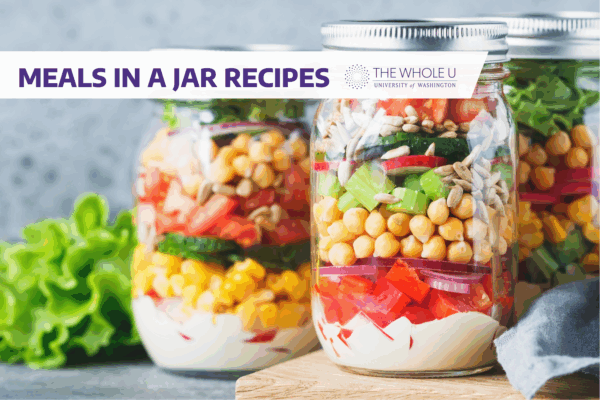
These tools make it easier to build meals that are both nutritious and enjoyable.
Tips for staying flexible
Meal prep is not about rigid schedules. It is about setting yourself up to feel more calm and capable during the week. Here are ways to stay flexible:
- Prep only what is helpful, not everything
- Keep easy meals on hand such as eggs, soups or frozen vegetables
- Adjust plans based on your week or energy level
- Allow space for takeout or meals out
- Focus on consistency rather than perfection
Small habits add up. Even prepping one meal or one ingredient can create momentum and help you feel more supported during the week.