
Skip to content

The truth about drinking water

We all know just how essential water is for the body. We can’t survive more than a few days without water! Water plays a key role in maintaining normal body temperature, shuttling nutrients throughout the body, lubricating joints, ridding the body of waste, and much more. There’s no doubt how important water is, but there are many myths about how powerful it really is.

Can drinking more water keep skin looking young? And is ice water the secret weapon to weight loss?

We’ve rounded up some of the most popular assumptions made about water, and debunked whether each is FACT or FICTION. See how many you get right!

Drinking water results in more trips to the bathroom.

Healthy adults will get rid of the same amount of fluid that they consume in order to keep a healthy balance in the body. When you drink water, a system involving the kidneys, various hormones, and the brain sense the rise in fluid in the body. Then the system works together to restore that healthy balance by getting rid of the excess fluid by making and excreting more urine. Drinking water also helps with easing constipation and facilitating bowel movements. So, drinking more water will result in more trips to the bathroom!

Verdict: Fact (under normal conditions)

Drinking water before taking a bath helps lower blood pressure.

Drinking a glass of water will trigger the same pathways mentioned above and your blood pressure will not be affected because it is under the tight control of various hormones. If you are severely dehydrated and your blood pressure drops below the normal level, that system of hormones will cause you to feel thirsty. In the case of dehydration, drinking water will actually help increase blood pressure to a normal level.

If you are looking for ways to lower blood pressure, cutting back on salt intake and bumping up your physical activity level are great steps to take.

Verdict: Myth

Everyone should drink eight glasses of water a day.

Dehydration is a serious issue that can cause cramping, loss of mental focus, and an increased risk of heat stroke. The Institute of Medicine recommends that men drink 13 cups of fluid a day and women drink 9 cups to stay adequately hydrated.  Even though the recommendation is a good starting point, in actuality how much fluid your body needs depends on a lot of factors. For example, your need for water increases with hot weather, sickness, and vigorous exercise. Women who are pregnant or breastfeeding are also recommended to consume more fluids.

Keep in mind that “fluids” come not just from water, but also from soups and other beverages like milk, tea, and coffee. Foods such as watermelon, cucumbers, and tomatoes contain fluid too!

So, how can you tell whether you’re drinking enough water? By how frequently you are thirsty along with the color and smell of your urine.  If you are drinking enough water, you should rarely feel thirsty and your urine should be colorless or a pale yellow without a strong smell.

Verdict: Myth

Being well hydrated will protect the face from wrinkles.

Skin is made up of about 30% water and dehydration causes skin to turn dry and flaky. Wrinkles form easier on dry skin because it is less elastic and resilient than skin that is well hydrated. For those who are regularly dehydrated, drinking more water can improve skin hydration and slow down early formation of wrinkles. But for those who drink enough water, adequate skin hydration is not enough to prevent wrinkles completely because wrinkles form mainly as the result of a combination of genetic influences, sun exposure, and damage from the environment (such as pollutants).

Verdict: Mostly myth

Drinking ice cold water helps to lose weight.

Drinking a glass of water before you eat fills you up a bit, and that sensation of fullness may cause you to eat less. Dehydration also revs up your appetite, which can lead to consumption of excess calories. So drinking enough water is essential to weight loss efforts. But does the temperature of water matter?

When you drink a cup of ice water, you burn about eight more calories than downing a cup of room temperature water because your body will work to raise the temperature of the ice water to normal body temperature. Let’s say you drink 10 cups of ice water today, which means that you would have burned about 80 extra calories.  Those 80 calories can be easily gained back by eating one stick of string cheese, one hard-boiled egg, or one medium chocolate-chip cookie! Drinking cold water makes such a small dent in the calorie balance that it will not help you lose weight if your eating and exercise pattern stay the same.

Instead of focusing on the temperature of the water, tried-and-true ways of weight loss involve changes in physical activity and eating. Incorporating more exercise into your life to build lean muscle will help you to burn more calories, even at rest. In terms of diet, a good place to start is modeling your meals after USDA’s MyPlate, which involves making half your plate fruits and vegetables, a quarter of the plate a starch (preferably whole grain), and the other quarter a lean protein along with a serving of low-fat dairy on the side. If you would like help and accountability with weight loss, a registered dietitian will be able to personalize a plan that is just right for you!

Verdict: Myth

Drinking a glass of water before bed prevents heart attacks and strokes.

The American Heart Association, Centers for Disease Control and Prevention (CDC), along with other national health organizations, recommend several ways of decreasing your risk of a heart attack or stroke. These recommendations include keeping a healthy weight, staying physically active, eating healthy, managing stress, and refraining from smoking. Drinking a glass of water before bed is not on the list. If you have to wake up in the middle of the night and go to the bathroom, Dr. Rosenfeld noted that this actually heightens your risk of heart attack and stroke because your sleep cycle is interrupted. Not getting enough sleep is linked to higher stress levels, increase in appetite, and cravings for high-fat, high-sugar foods  none of which are good for heart health and stroke prevention!

Verdict: Myth

So here you are! All these myths (except one) have now been busted. Water is clearly beneficial for you, and is essential for everyday life. But as you can see, not all claims about water are true.

Budget friendly vacation ideas in Washington State

This article was provided by our partners at BECU.

If you live in Washington and want to enjoy a break without breaking the bank, consider taking a summer vacation a little closer to home. Here are some ideas from our partners at BECU to help you save while exploring your own backyard.

While scrolling through Instagram pictures of tropical resorts, luxury lake homes and international excursions, you might think everyone is taking high-dollar vacations this summer.

But the prospect of spending thousands of dollars on a summertime getaway can be disheartening if you’re trying to save money and pay off debt. Even though travel costs have decreased since last year, airfare, hotel and care rentals can add up.

The good news is, if you live in Washington, you’re surrounded by great opportunities to explore and have fun. Here are some ideas to help you control costs in four main vacation spending categories: entertainment and activities, food, lodging and transportation.

Entertainment and Activities

One way to control costs on your vacation is by being selective about your entertainment choices. Here are some ideas.

Go Hiking

Enjoy trails ranging from easy to expert in Washington’s diverse geography. Trail access is typically free, but you may need to pay for parking and park entrance fees. Some trails in backcountry and wilderness areas require paid permits, and access may be limited through a permit lottery. Check the requirements before you get to the trailhead. If you’re new to hiking, learn how to stay safe before you go.

Washington offers thousands of hiking trails for any activity, skill level or season.

Visit Snoqualmie Falls

If you like waterfalls, this stop is for you. Plus, it’s free and viewing areas are ADA accessible. According to the Snoqualmie website the falls are more than twice as tall as Niagara Falls and the second-most visited natural landmark in Washington after Mount Rainier. After you visit the falls, you can head into town for local ice cream at Snoqualmie Ice Cream (temporarily located at 8125 Falls Ave.), or local beer at Snoqualmie Falls Brewery.

A visit to Snoqualmie Falls is free. You can choose an easy stroll to the top viewpoint, or, if you have more energy, take the trail to the bottom and back.

Play at the Beach

With more than 3,000 miles of outer coastline, Washington provides lots of opportunities to play at the beach. You could try surfing at Westport, exploring tide pools at Rialto Beach or clamming at Illahee State Park. (Clamming requires a license from the Washington Department of Fish and Wildlife, and you’ll need to check the health status of beaches with the Washington Department of Health.)

Enjoy beaches along the Pacific Ocean, Puget Sound, lakes and rivers across Washington

Visit a Lighthouse

With so much coastline, Washington also is a lighthouse fan’s dream with 30 lighthouse sites. One example: View the Cape Flattery Lighthouse from the rugged northwestern-most point of the lower 48 states. Be sure to stop at the Makah Indian Reservation to buy a recreation permit before you go, or buy and print a permit from the Makah website.

Lighthouses dot Washington’s shorelines. Some still have active lenses and you can go inside some for tours.

Go for a Scenic Drive

If you’re looking for a great view and have gas money as part of your vacation budget, Washington has some spectacular options. Here are a few favorites:

Mount Baker Highway, or Highway 542, winds east from Bellingham through Whatcom County, ending at an elevation of 5,140 at Artist Point, with stunning views of Mt. Baker and Mt. Shuksan. If you’re coming from the south, consider taking Chuckanut Drive to Bellingham.

Olympic Peninsula Loop on U.S. Highway 101 is a 300-mile route around the perimeter of Olympic National Park. Drive the whole loop or pick sections to see rainforests, Pacific Ocean beaches and lakes. Highway 101 is also the road to Forks, made famous by the “Twilight” movie series.

Highway 14 along the Columbia River Gorge is the Washington counterpart to the popular I-84 route on the Oregon side of the gorge. You’ll be treated to views of the Columbia River and Mount Hood, see the top windsurfing spots in the world, and you can visit a Stonehenge replica, built as a World War I memorial, at Maryhill.

A Stonehenge replica, built as a World War I memorial, is one of the scenic stops along Highway 14.

Take a drive to Paradise in Mt. Rainier National Park for breathtaking views.

Tour a Bunker

During World War II, military forts were built along the Strait of Juan de Fuca to defend Puget Sound. You can visit many of these sites, whether you’re interested in learning some history, or you like the spooky factor of walking around old bunkers.

Many locations require a Discover Pass or other paid parking permit. Here are some of the bunkers you can visit:

  • Camp Hayden in Port Angeles.
  • Fort Worden in Port Townsend.
  • Fort Casey on Whidbey Island.
  • Fort Ebey on Whidbey Island.
  • Fort Flagler on Marrowstone Island.
  • Fort Ward on Bainbridge Island.

Food

Whether you stay in a hotel, camp in a tent or crash with friends, meals can be one of the most expensive parts of any travel plan. Here are some ideas to control food costs:

Make Your Own Meals

If you pack your groceries (or buy them when you get to your destination) and limit yourself to one restaurant meal per day, you can reduce your food expenses and treat yourself to some truly delicious dining experiences.

Pack Your Meal as Part of the Fun

Pack your meals to make eating part of your outdoor experience. Whether you’re hiking, road-tripping, beachcombing or visiting a park, plan to enjoy your surroundings while you take in a meal. Bonus: You don’t have to take a break from your activity to go find a restaurant.

Prepare Local Food

The diversity of Washington’s geography supports a wide variety of food. Here are a few suggestions for places to pick up local food that you can take back to your kitchen and prepare:

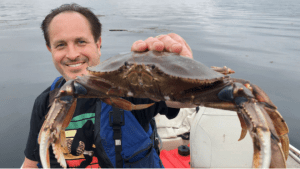
Crabbing in the Puget Sound makes the perfect meal for seafood lovers. Licenses are required for this activity.

Shop at local farmers markets for the fresh produce and regional specialties.

Lodging

Lodging can be another big chunk of vacation expenses.

Staying with friends and family can be fun — and economical. If you take your friends out for a meal or two to repay their kindness, you’ll still spend less than the cost of a hotel stay.

But what if you don’t know anyone who lives in your vacation destination or just prefer not to stay with friends? Here are a few money-saving options.

Go Camping

Washington is home to beautiful camping options, offering an array of mountain, rainforest, desert, beach, lake and river locations.

If you’re a new camper and starting from scratch, getting geared up can be an investment. You’ll want to build savings goals into your budget for purchases like a tent, sleeping bag, sleeping pad, stove and cooler. But once you have your setup, you’ll have plenty of options for low-cost accommodations.

Camping can be a low-cost lodging option that gives you a chance to connect with nature and unplug.

Here are some examples:

Washington State Parks campsites cost $12 for a primitive campsite, up to $56 for a full-utility campsite.

National Parks campsites costs vary by park and by campsiteOlympic National Park, for example, costs $15 to $24 for a campground spot. Some National Parks also have entrance fees. For example, Olympic National Park charges $30 for a standard non-commercial vehicle with up to 15 passengers.

Washington Department of Natural Resources manages 80 campgrounds in the state. Campsites are free, but they are first come, first served, and you do need to have a Discover Pass.

If you’re not quite ready for tent camping, you can spend a little more for a “glamping” experience in a yurt or cabin, but be aware: Some cabin rentals can rival the cost of a hotel stay.

Sort by Hotel Price

If you don’t already have your heart set on a destination and you just want to get away for a few days, consider choosing your vacation spot based on the price of lodging.

Go to a hotel or vacation rental website, enter your vacation dates and sort by price. For example, a search on Booking.com for three-star accommodations in Washington for a week in July, flexible dates and two adults returned 1,217 properties. The lowest price was $310 for a hotel in Yakima, including breakfast — so maybe a winery tour is in your future.

Transportation

Transportation costs — including flights, rental cars, gas and ride services — can add up.

Even though airfare is the lowest it’s been in three years, according to Hopper, you can cut out a big chunk of your vacation expenses by finding fun and relaxation closer to home.

U.S. domestic flights still average $265 per round trip, and international travel prices are much higher.

Here are some transportation suggestions to get you to your local vacation spot and enjoy the sights once you’ve reached your destination.

Take Local Public Transit

Many Washington cities and counties offer bus services and other types of public transportation.

King County Metro is the largest local public transportation agency in the region, serving Seattle and all the surrounding cities and unincorporated areas of King County. An adult single-ride fare is $2.75 and a regional day pass is up to $6.

You can even take the bus to popular hikes along I-90 near North Bend using Metro’s Trailhead Direct service. No gas or parking money required.

Other fun and affordable public transit options include Seattle’s South Lake Union Streetcar and Seattle Center Monorail and Sound Transit’s Link light rail.

Ride the Ferry

In addition to being a great option for getting you to and from a destination, ferries can be an affordable alternative to water tours and cruises.

Riding a ferry can be an affordable way to get your vacation destination or just get out on the water.

Washington State Ferries are a division of the Washington State Department of Transportation and an extension of the state highway system. Ferry routes (PDF) connect passengers to locations throughout the Puget Sound and the San Juan Islands.

Prices vary, but as an example, from Seattle, an adult can walk on the ferry to Bainbridge Island for $10.25. The ride back to the city is free. If you decide to drive on the ferry with an adult passenger and two kids under the age of 18, you’ll pay $33.45. That’s a pretty good deal, considering you aren’t paying for airfare.

If you’re planning to travel to Port Townsend or the San Juan Islands, you can save yourself a long wait during busy travel times by making a reservation.

Find Activity-Based Transportation

If your vacation involves a specific activity, like hiking, mountain biking, wine tasting or brewery tours, check if shuttle services are available.

Here are some examples:

Little Hopper provides shuttle service for craft brewery and winery tours in Yakima Valley.

Visit Walla Walla’s website has a list of wine tours and transportation options.

Olympic Hiking Co. Trailhead Shuttle offers transportation to backpackers who want to leave a car at one end of their point-to-point trip through Olympic National Park.

Talking Rocks Outdoor Company, based in Enumclaw, specializes in trailhead shuttle service to the South Cascades.

Enjoy a winery tour and explore vineyards in Washington.

While on vacation, sip and learn the history of popular Washington wines.

Resources

Figuring out where to go and what to do can be overwhelming. Here are a few suggestions to get you started:

Local newspaper entertainment guides: The Seattle Times, for example, has an event and entertainment guide called “The Ticket,” and The Stranger has “EverOut.”

Tourism bureaus and organizations: State of Washington TourismVisit SeattleVisit Spokane and Yakima Valley Tourism are examples.

Bargain-based listings: Greater Seattle on the Cheap has a whole website dedicated to low-cost fun.

Your local library: Public libraries are great places to find free entertainment, festivals, classes, art and history.


This article was written by Katie J. Skipper, BECU Community Content Manager. Katie manages the BECU Blog and writes about personal finance topics including credit cards, budgeting, debt management, loans, taxes, home improvement, inflation, fraud and scams. She also writes about race, gender and social equity, and features the stories and expertise of BECU employees and community members. A former journalist, she has reported for daily newspapers in Washington and Montana, including The Daily (Everett) HeraldGreat Falls (Montana) Tribune and The Bellingham Herald, covering a range of topics including government, law and justice, and the environment.

Thank you to BECU for sponsoring The Whole U!

Getting involved in ecological restoration

Volunteers to plant trees

Celebrated forest ecologist and UW Professor Emeritus Jerry Franklin once thought he’d been grabbed by Sasquatch while conducting research in Gifford Pinchot National Forest in southwest Washington.

It turned out to be a mature Douglas fir shedding 1,000 pounds of its bark. Professor Franklin, a longtime steward of old growth forests and advocate for ecological restoration, has yet to meet Sasquatch. But for those hoping to, engaging in ecological restoration projects in the forests of the Pacific Northwest is a great place to start.

Ecological restoration is a process of active intervention in the recovery of damaged or destroyed ecosystems – the damage often being a result of human activity like over-farming, pollution, and natural resource depletion such as logging and mining.

Once the ecosystem is restored and thriving, ongoing stewardship of the ecosystem is necessary to nourish marine and animal life, reduce carbon emissions, and sustain our cultures, communities, and economies.

Watch: What is ecosystem restoration?

Restoration ecology, meanwhile, is the scientific study supporting the practice of ecological restoration. The Restoration Ecology Network, part of the UW Botanical Gardens in the School of Environmental and Forest Sciences, is a center for ecological restoration and conservation providing opportunities for UW students to conduct research on and gain experience with local restoration projects.

On every continent and in every ocean

The United Nations General Assembly declared 2021-2030 as the Decade on Ecosystem Restoration, a universal call for the prevention of degradation and revival of earth’s ecosystems – from forests and grasslands to oceans and peatlands – for the benefit of people and nature.

The UN program envisions restoration work not as isolated projects but as a coordinated, worldwide movement to revive and strengthen the diverse ecosystems upon which all life on Earth relies.

Restoration is not a substitute for conservation

Ecologists stress the importance of conservation efforts to sustain biodiversity and prepare for the ongoing effects of climate change, pollution, and unsustainable exploitation of limited natural resources.

Facilitating the revitalization of a damaged ecosystem is only one component, however, of conserving and maintaining Earth’s ecosystems.

Small actions can have a big impact

Ecological recovery work might be as unassuming as pulling invasive blackberry bushes or other weeds, planting seeds or seedlings, or collecting native seeds. In the Pacific Northwest, an area known for trailblazing ecological restoration initiatives and with diverse and relatively healthy native ecosystems, there are any number of opportunities to engage with restoration projects.

Take action: Volunteer, donate or advocate

Your support of UWCFD-member nonprofits as a donor, volunteer or advocate demonstrates your commitment to creating and stewarding thriving and resilient ecosystems in your own communities and across the state. Consider setting up payroll deduction or making a one-time gift through the UWCFD to any of the following organizations doing ecological restoration work in Washington.

What impact can volunteers make?

Read about the years-long restoration of the Pratt Lake Trail near Snoqualmie Pass, where Washington Trails Association (WTA) has been hosting annual work parties and Backcountry Response Teams since 2016 as a part of their Lost Trails Found campaign. WTA hosts a variety of other volunteer restoration opportunities as well, including trail work parties (families welcome!), weeklong volunteer vacations and youth volunteer vacations.

UW Botanic Gardens’ Rare Care program offers volunteer projects across the state working to conserve Washington’s native and rare plants. Volunteers gather data, manage the rare seed vault, collect seeds and support outreach events or other special projects.

Forterra works for healthy ecosystems and resilient communities across Washington. Summer and fall restoration projects need volunteers to help with removing invasive plants, clearing trails and more. Forterra also offers year-long volunteer forest steward opportunities.

Forterra partner Green Redmond Partnership is building a sustainable network of healthy urban green spaces, with the next volunteer work party scheduled for September 25 at Smith Woods.

Tilth Alliance, a food equity collective based in Wallingford, encourages volunteers to learn by doing working alongside their staff at community learning gardens and the Rainier Beach Urban Farm and Wetlands – Seattle’s largest urban farm. Depending on the time of year, projects may include weeding, harvesting food for local food banks, preparing beds for planting, or caring for natural areas. They also offer group work parties. No experience necessary, and gloves and tools provided.

Puget Soundkeeper Alliance works to meaningfully decrease pollutants reaching Puget Sound through monitoring, citizen enforcement and pollution prevention. The Alliance invites volunteers to participate in the 2021 Seattle Summer Cleanup Series through August, conducting marine debris cleanup on the water in canoes or kayaks on land near our many shorelines.

Learn more

Green City Partnerships engage community volunteers to help restore and maintain our urban green spaces while strengthening community and creating a culture of environmental stewardship across our region.

The Urban Forestry Commission of the City of Seattle advises the City Council on policy and regulations governing the protection, management, and conservation of trees and vegetation in the City of Seattle.

The Society for Ecological Restoration UW Chapter brings together UW students with a common interest in the practice of ecological restoration and a common goal of restoring and sustaining the biodiversity of the UW campus.

The Veterans’ Ecological Trades Collective exists to support veterans and allies in acquiring skills that launch or refine careers in Conservation, Agriculture, Forestry and Ecological Design. The organization provides educational programs and outdoor work parties tackling projects like noxious weed removal, trail clearing, and small farm construction.

The UN Development Program’s Learning for Nature initiative is offering a free self-paced course on Ecosystem Restoration. Though intended for policymakers, the course is open to anyone interested.

Juicing vs. blending: What’s the real difference?

We all know fruits and vegetables are good for us — but did you know eating five or more servings a day can lower your risk of stroke by up to 26% and reduce your chance of dying from cardiovascular disease? Research has even found that the antioxidants in fruit and vegetable juices may help delay the onset of Alzheimer’s disease.

The bottom line: the more produce you eat (or drink), the better. But getting in all those servings isn’t always easy — especially on busy days. That’s where juicing and blending come in.

What’s the difference?

Juicing extracts the liquid from fruits and vegetables, leaving behind most of the pulp and fiber. The result is a thin, concentrated beverage rich in vitamins, minerals, and phytonutrients — but without the filling fiber. Juicing requires a juicer designed to separate juice from pulp.

Blending, on the other hand, uses the whole fruit or vegetable. Everything you put in the blender ends up in your glass, creating a thicker drink (a smoothie) with more fiber and volume. You can use a standard blender or a higher-power version like a Vitamix.

Example: You’ll need about two oranges, one stem of kale, half a red pepper, one cup of berries, and one stalk of broccoli to make one cup of juice — but the same amount of produce makes roughly three cups of smoothie.

Juicing at a glance

  • Produces a smooth, nutrient-dense drink in a smaller amount of liquid.
  • Works well for those who need a low-fiber diet or prefer lighter beverages.
  • Because it’s concentrated, keep portions smaller to avoid excess sugar.
  • Requires more produce per serving, which can make it more expensive.

Example: Two oranges, one stem of kale, half a red pepper, one cup of berries, and one stalk of broccoli make about one cup of juice.

Blending at a glance

  • Uses the entire fruit or vegetable, keeping all the fiber intact.
  • Results in a thicker, more filling drink that supports digestive health.
  • Lets you add extras like nuts, seeds, yogurt, or oats for healthy fats and protein.
  • Produces a larger portion — about three cups of smoothie from the same amount of produce used for one cup of juice.

Which one is healthier?

Both can be part of a healthy lifestyle — it depends on your needs and preferences.

  • Choose juicing if you want a quick vitamin boost or need to reduce fiber temporarily. Just keep portions small to avoid excess sugar.
  • Choose blending if you want the benefits of fiber, protein, and healthy fats. Smoothies keep you fuller longer and support digestive health.
  • Do both! Alternate between juicing and blending to mix things up and use produce before it spoils.

Tips for juicing and blending success

  • Keep fruit to 1–2 servings per drink (½–1 cup) to avoid excess sugar.
  • Load up on greens — kale, spinach, parsley, and cabbage taste milder than you might think.
  • Add citrus (especially lime or lemon juice) to cut any bitterness.
  • For juicing, use high-water veggies like cucumber and celery for extra volume.
  • For smoothies, add water, coconut water, or milk to reach your ideal consistency.
  • Invest wisely — higher-horsepower machines perform better and last longer.

Whether you prefer the clean taste of fresh juice or the hearty texture of a smoothie, both are easy ways to boost your daily fruit and veggie intake — and reduce food waste in the process. Always consult your medical provider before making significant dietary changes, especially if you have a medical condition.

How to talk to teens about healthy eating

Helping teens make healthy food choices can feel like a challenge, especially as they begin spending more time with friends and gaining independence. Fast food and snacks are everywhere, and the idea of “talking nutrition” might earn an eye-roll faster than you can say kale.

Still, conversations about food don’t have to feel like lectures. When approached with curiosity and connection, they can empower teens to see healthy eating as a way to fuel what they love, from sports to studying to hanging out with friends.

Here are ten ways to make those conversations more natural and effective.

1. Find the right moment.

Skip the formal “we need to talk.” Instead, notice when your teen opens up naturally on a drive, while cooking together or before bed. As family therapist Dr. Ron Taffel says, “Pay attention to when your kid opens up naturally.” Timing and tone matter more than the words themselves.

2. Listen first.

Teens respond best when they feel heard. Try asking open-ended questions like “What do you like about that new restaurant?” or “How do you feel after certain meals?” Listening builds trust and understanding.

3. Focus on the positive.

Notice and acknowledge good choices. Grabbing fruit instead of chips, trying a new veggie, or cooking at home. Encouragement goes further than criticism.

4. Cook together.

Meal prep is a great way to talk about nutrition without talking about it. Let your teen choose recipes or ingredients and guide small swaps like baking or broiling instead of frying.

5. Keep healthy foods on hand.

Stock the kitchen with easy, appealing options: fresh fruit, cut veggies, yogurt, nuts and whole-grain snacks. When healthy choices are visible, they’re more likely to be eaten.

6. Connect healthy eating to what matters to them.

Disease prevention may not motivate teens but energy, sports performance, clear skin and focus in school might. Frame nutrition in ways that support their immediate goals.

7. Be a role model.

Actions speak louder than lectures. When you make balanced choices and enjoy them, your teen will notice.

8. Let natural consequences teach.

Sometimes experience is the best teacher. Feeling sluggish after skipping meals or overdoing sugar can help teens understand the “why” behind moderation.

9. Avoid weight-focused talk.

Steer clear of scales, numbers, or body comparisons. Instead, emphasize how nutritious foods support strength, energy and mental well-being.

10. Be patient.

Change takes time. Celebrate small wins and remember that consistency and calm guidance make the biggest long-term difference.

Healthy Snack Ideas for Teens

Keep a few of these on hand for grab-and-go moments:

  • Veggie sticks with hummus

  • Whole-grain crackers

  • Peanut butter with fruit or crackers

  • Fresh, dried, or frozen fruit

  • Popcorn (popped with oil)

  • Beef jerky

  • Yogurt smoothie drinks (low-sugar options)

  • Nuts or trail mix

  • Cheese sticks and whole-grain crackers

  • Tortilla wraps with lean meat, cheese, and veggies

Top 10 ways to properly fuel your body

Nutrition trends can have a major influence on us as we navigate our overall health and performance. We are eager to try the latest nutrition trend that shows up on our social media feeds or the newest supplement or diet that claims to be life changing.

That’s why we asked Judy Simon, UWMC dietitian, about fad diets and trendy supplements. She had three common observations:

  1. They are not sustainable in the long term
  2. They can be very expensive, and
  3. They often lack the varied nutrients our bodies need.

But Simon is seeing at least one positive nutritional trend: a tendency toward eating more plant-based or plant-forward meals—for both health and sustainability.

“You don’t have to be strictly vegetarian to gain the benefits of a plant-forward diet,” she says. “More fiber improves gut health. Optimizing gut health not only helps people feel better now, it also contributes to preventing and managing many chronic diseases. It’s exciting to see a trend towards more fruits, vegetables and whole grains.”

Simon advises making small changes that will have a big cumulative impact on your overall health over time. Being more mindful here and there about the food we eat can set the groundwork for other sustainable wellness goals while helping us feel energized and ready to take on the day.

She adds that the secret to a healthy, balanced diet is really no secret at all. It is simply understanding your body’s needs and finding what works for you. Here, Simon shares her top 10 tips to make a habit of healthy, mindful eating.

1. Get excited about nutrition

Healthy foods are often assumed to be boring and flavorless. With this assumption, it can be hard to be inspired to eat healthy. “Healthy eating is not about being on your best behavior,” Simon says. “It’s about finding delicious alternatives that you will crave. Nutrition is always an easier sell if you link it to food and how wonderfully tasty it can be and how good it makes us feel.”

2. Eat more plant-based foods

Plant-based foods are perfect for providing energy. Simon champions certain carbohydrates for providing energy, such as grains, whole wheat, quinoa and beans. Additionally, fruits, vegetables, seeds and nuts are going to provide energy as well. It is important to note that energy needs will differ depending on the person.

3. Know the difference between hunger and thirst

Water is great for helping with digestion, slowing down fast eaters and providing our bodies with energy. Unfortunately, Simon cautions us that, “a lot of times people mix up their signals for whether they’re hungry or thirsty. If this is true, eating food typically isn’t going to satiate that hunger.”

The real trick to knowing whether you’re hungry or thirsty is reading your body. Take a second and ask yourself when is the last time you drank a cup of water? With a meal, Simon recommends having at least 8-12 ounces of some type of fluid—ideally water-based—then continue to sip throughout the day.

4. Keep a meal log

“For someone who is curious about how they’re doing, eating logs are a really good starting point,” Simon explains. “When you start to enter things in, you become more aware of your habits and notice eating trends you otherwise wouldn’t.”

For example, a lot of us overestimate how many fruits and vegetables we really eat, until we look at our typical day. Phone apps can be helpful for this, but it is important how we interpret the information they give us. Sometimes eating logs can do more harm than good if we are too hard on ourselves. It’s all about finding balance.

5. It’s all about greens and beans

Not sure what exactly to eat? Go for the greens and beans! Greens and beans such as lentils, legumes, and beans, are a great source of protein and fiber. Thirty percent of a bean or lentil is protein! Soy, edamame, and lentils are also more affordable sources of protein if you’re looking to eat healthy on a budget.

“Beans have iron, fiber, magnesium, and so many other good nutrients! Greens as well have great amounts of folic acid, iron, potassium, and Vitamin K. Greens and beans are perfect for whipping up a variety of meals with many different combination options!”

6. Incorporate healthy fats

Healthy fats are a great addition to every meal because we need the fat to absorb some of the vitamins from our greens and beans. “Adding in a little fat like a small bit of olive oil, seeds, nuts or avocado is a great source of fat and energy,” Simon says. “Obviously, we don’t want too much, but it’s a great source of energy!”

7. Front-load your energy with breakfast

For those of us who have a busy day where we need to be alert and on our toes, front-loading our energy by having a fulfilling breakfast is the perfect way to fuel. If you swear you can’t eat anything before noon, try and see the difference in how you feel. There are so many options for a filling breakfast, whether you eat the minute you wake up, take it on the go, or wait until you’re sitting at your desk.

“It doesn’t have to be a traditional breakfast! It can be leftover dinner for breakfast, a little wrap with veggies, hard-boiled eggs, or a power bowl,” Simon says, cautioning that, “skipping breakfast can be bad if you don’t eat for several hours after waking up. You’re putting your body into starvation mode after a long fast and then it wants to hang onto fat. This makes you want to eat more later.”

8. Read your labels

Food labels not only tell us the nutrients in our food, but also each individual component. Simon recommends comparing the nutrition label with the ingredients and really thinking about what is added and what is from a whole food. For example, sometimes you’ll read a label and it has sugar hidden behind five different ingredients. With sugar, really look to see if the sugar is added versus part of a key ingredient such as fruit.

A common misconception with labels is that frozen foods are all bad. When things are out of season, Simon says it is okay to eat frozen. Most frozen fruits and vegetables are picked at the time of freshness and immediately frozen so they’re not processed. Watch out for the sauces, and don’t forget to look at the label for sneaky additives!

9. Pack and plan ahead

Packing ahead saves time and money. We all have those moments where it’s the afternoon and we’ve already eaten our lunch but need a little something to tide us over so we buy a bag of chips and dig in. This won’t give us energy or help us last until dinner.

Instead, pack ahead stable foods that provide energy and don’t need refrigeration. Whether it’s an energy-packed granola bar or a peanut butter sandwich, these snacks require less effort to maintain, but give us that much needed boost.

10. Know your environment

Sometimes we don’t have a choice where we eat, but when we do, make the decision to not eat distracted. The worst place we can eat a meal is on the couch with the television on. Challenge yourself to clear off a counter and eat with purpose. Focus on how the food tastes and whether it’s meeting your nutrition needs.

“You don’t need a traditional dining room,” Simon says. “Turn off the devices and make eating a fun, sit-down experience. If you’re by yourself, put on some music. Do something that creates a space to focus on your eating. You’ll feel more satisfied and improve your digestion.” With spring just around the corner, it’s even better to get outside if you can!

Learn more

Healthy living is all integrated. Simon says simply asking ourselves, “what am I doing for self-care?” can go a long way toward helping us recognize our food patterns: “Have confidence and build on the skills that you have when it comes to eating healthy. Don’t feel like you have to be an amazing chef to cook a good meal. Start simple and experiment”

Judy Simon has presented for The Whole U many times over the years. Below is her latest seminar on nutrition for optimal health.

Affordable rental housing through Seattle’s MFTE program 

Whether you are saving money toward purchasing a home or simply watching your expenses, managing your rent costs makes good financial sense. Budget advisors generally recommend keeping housing costs at 30% of your household’s income or less. This can be challenging in the city of Seattle, especially for families earning moderate to low incomes. While average rents in our area declined during the pandemic, they are still among the highest in the country.

The Multi-Family Tax Exemption program, known as MFTE, is part of the City of Seattle’s efforts to make available more affordable rental options. MFTE gives landlords tax incentives if they commit to charging below-market rents to some units in their building. These rent-restricted units are available only to tenants who earn less than a certain percentage of the area’s median income.

UW employees receive priority access to rent-restricted MFTE units at Bridges @ 11th, an apartment complex located in the University District.

Seattle’s Office of Housing website includes full details about the program, including answers to frequently asked questions about MFTE, but the team at Bridges@11th shared some MFTE highlights to help you determine if the program may be right for you and walk you through the typical MFTE process.

1. Find out if you qualify

To qualify for MFTE, you will need to verify that your household income falls within income eligibility limits which currently range from 40% – 90% of Seattle’s area median income (AMI). If you qualify, your rental rates will be capped based upon your household income and the type of unit you rent. Visit the city’s website to compare your household income with the current MFTE income and rent limits.

2. Find a property

To see if there are MFTE properties where you want to live, see the list of MFTE properties on the city’s website. It includes roughly 180 properties located throughout the city, their locations, contact information and the types of units they offer. You’ll need to contact properties and ask about their current availability.

3. Submit your application and join the wait list

You will need to provide a Resident Eligibility Application (REA) to each MFTE property where you apply, and landlords will verify your income at the time they offer you an MFTE unit. Depending on your property’s MFTE agreement, you may need to re-qualify every year or only if you change MFTE units. At Bridges, for example, the REA and income verification are a one-time process that will qualify you for the program as long as you stay in your assigned MFTE unit.

If your preferred property does not have MFTE units available, ask if they have an MFTE wait pool or contact list. You may not be offered an MFTE apartment immediately, but housing situations change quickly and applicants in the wait pool may be offered apartments more quickly than they expect.

4. Keep an eye out for additional incentives

Now is a good time to look for new rental opportunities because many landlords are offering incentives. Each property offers their own incentives and the up-front savings can return nearly a full month’s rent to your pocket. For example, Bridges @ 11th is currently waiving the application fee and security deposit. If you have questions, you can email Kelly Menne (Bridges@AmericanCampus.com), general manager of Bridges @ 11th, call 206-569-5416 or visit www.bridgesat11th.com.


Community Relations and UW WorkLife work together to identify affordable housing options for UW employees, including properties that offer priority selection to qualified applicants who are UW staff or students. Visit WorkLife’s Affordable Rental Housing page for more information and subscribe to the UW Insider for updates about affordable housing resources.

Managing housing costs is one way to stay financially fit. Learn more ways to build your financial confidence and get closer to reaching your financial goals with Financial Literacy Month events and resources offered by The Whole U and its partners.

How to budget for inflation

Adapt your budget in response to higher prices by following these 11 tips from BECU’s lead financial educator.

Even in stable economic times, budgeting isn’t a set-it-and-forget it sort of thing. It’s always a good idea to revisit your budget often to make sure your spending and savings stay on track as your goals and expenses change over time.

During periods of inflation, prices of just about everything, including housing, food and energy, go up, even if your daily habits don’t change at all. You need to make bigger adjustments to make sure your budget continues to work for you as you face these unexpected increases in prices.

Making big adjustments can be difficult, though, especially if you don’t have much room in your budget. Nationally, unemployment hit a high of 14.7%, affecting 23 million people in April 2020, according to the U.S. Bureau of Labor Statistics. Unemployment rates have fallen sharply, down to 3.6% as of February 2023, but millions of people are still catching up, which can make budgeting for higher prices of basic needs more challenging.

“The bottom line is that you either need to make more or spend less,” said BECU lead financial educator Stacey Black. “Most people have more control over how they spend money than over their income, so focus on your expenses — and look at every single item.”

How high is inflation and what is causing it?

It’s no surprise if you’re feeling pinched, even if you haven’t been on a shopping binge. Inflation has been cutting into your purchasing power with higher prices for consumer goods and services. When inflation peaked in June 2022, prices of consumer goods and services had increased 9.1% year over year, more than in any 12-month period since 1982, according to the Bureau of Labor Statistics. Prices have come down since June but are still up 6% from a year ago. Costs for food, shelter, electricity and natural gas have all increased in the last 12 months.

Supply chain issues, pent up consumer demand and savings that many people built up during the pandemic all contribute to higher prices, according to a report by The New York Times.

How to adjust your budget

Price increases like these mean it’s going to take more than a few little tweaks to stay on target.

Black recommends adjusting your savings and debt repayment expectations. You might need to temporarily redirect some of the money you had committed to paying down debt or saving for a large purchase to higher day-to-day costs.

Black offers these tips for budgeting to offset inflation.

Slow down debt repayment

If you’re actively paying off debt, but you’re worried about making ends meet, you might have to scale back your payments, Black said. That means your target payoff date might be a little farther out than you’d like, but you might have to redirect that money toward basics like groceries.

“I hate to say it, but it might be worth paying just the minimum for a while because it’s worth it not to get in more debt,” Black said.

Even paying just the minimum will eventually help you pay down your debt. Just remember to keep your budget for debt payment steady and pay on time. When you pay off one credit card, for example, redirect those minimum payments to the next credit card, and the balance will drop faster.

Reduce interest rates on debt

If you can lower your interest rates on your credit card debt, you can also make your payments go further. Explore balance transfer options with low or no interest. But Black says to use caution: Be sure your credit is good enough that you’re likely to qualify for the offer. If you apply and don’t get the new card, you might end up damaging your credit.

You’ll also want to be sure that you can pay back enough of the debt in time to make the offer period worth it. If the rate jumps after 12 months, for example, does that give you enough time to pay down the debt?

A debt consolidation loan is another option to reduce your overall interest, but that option requires caution, too.

“Make sure you can commit to paying off the new loan without adding more debt to the credit cards you free up,” Black said.

Use a debt consolidation calculator to be sure you will really save money in the long run.

Put vacation plans on hold

If you’ve been saving for a big trip, you might need to push your travel date out a bit and adjust your vacation savings goals. You might need to apply your vacation savings to essentials for a while.

“If that vacation is really important to you, it might be motivating to look closely at your spending and cut out more of what you don’t need,” Black said.

But she cautioned against cutting back too much and not giving yourself any flexibility: “If you’re too strict, you might splurge and put yourself in debt.”

The same goes for other big-ticket goal purchases. Those goals might have been delayed already because of higher prices for things like new cars. Black said it’s important to keep those goals in mind. They just should be a lower priority for a while. However, there are steps you can take to include fun in your budget.

Reduce spending on food

Your grocery budget is one of the areas hit hardest by inflation, with the food index rising 9.5% from February 2022 to February 2023. This is an improvement from the peak in August 2022, when the price of food was up 11.4%, the highest year-over-year increase for at least 20 years.

You have to eat, but there are some things you can do to save on your grocery bill as prices rise. Black offered tips, a few of which she picked up through her own efforts to develop healthier eating habits:

  • Don’t shop for groceries when you’re hungry.
  • Shop with a list.
  • Plan your menu for the week ahead.
  • Buy groceries online and pick them up curbside to limit impulse buys.
  • Shop sales and plan meals around sale items you bought.

Save on gas

In a bit of inflation relief, gas prices have decreased 2% since February 2022. That’s a huge difference from the 60% year-over-year increase in June 2022, according to the Bureau of Labor Statistics. But when you consider gas in Washington state averages $4.30 per gallon, finding ways to reduce the miles you drive and increase fuel efficiency can be a big help to your budget. Bonus: Reducing fuel use is also good for the environment.

Here are a few tips Black has collected over her years helping people with budgeting and saving money:

  • Plan your errands so you can take care of several tasks in one trip.
  • Carpool with people who regularly go the same places you go.
  • Take public transportation where and whenever possible.
  • Shop for lower prices using an app like GasBuddy. (Limit the distance of your search or you’ll cancel the benefits.)

Reduce energy use at home

Utility costs are another category that have increased sharply in the past 12 months: Electricity has increased 12.9% and natural gas rose 14.3%.

Reducing energy use at home will save you money and reduces your carbon footprint. Here are a few ideas to consider:

  • Use programmable thermostats and set the temperature higher when it’s warm and lower when it’s cold.
  • Seal cracks around windows and doors.
  • Seal holes and gaps in ductwork.
  • Install energy efficient lighting.
  • Wrap your water heater in a fiberglass insulating blanket and lower the temperature.

Shop around for insurance

Insurance is one of those services that’s easy to forget about until you need it. But Black said it’s a good idea to revisit your policy at least once a year — more often during periods of inflation.

Review your policy to make sure you only have the coverage you need, then challenge a few insurance companies to win your business.

Cancel or reduce subscriptions

As you go through the exercise of looking at all your expenses, Black advises paying special attention to all your subscription services, including magazines, newspapers, apps and streaming services.

Talk with members of your household to confirm how important some subscriptions are. You might be surprised to find that they no longer use the streaming service they were excited about last year.

If you have cable, think about whether you really need all the channels, or if there is a lower-priced option.

Re-evaluate your cell phone service

Cell phone service, like insurance, is another service you should re-evaluate periodically.

“Your cell phone carrier isn’t going to call you and say you’re not using all the minutes you’re paying for,” Black said. “It’s up to you to make sure you’re paying for what you use and make a change if you’re not.”

Reduce housing costs

Housing costs are the largest portion of most people’s budgets, and, with an 8.1% increase as of February 2023, the average cost of shelter has increased more year over year than it has in at least two decades, according to the Bureau of Labor Statistics. They also can be the most difficult to change for the better.

If you own your home, refinancing your mortgage might save you money, especially if you can get a lower interest rate. But do your homework to be sure you’ll be able to recover any closing costs. Use a mortgage calculator to run the numbers, check current interest rates and talk through scenarios with a licensed mortgage loan officer.

Whether you own or rent your home, you might be able to save by moving to a smaller home or a lower cost-of-living area, especially if you’re able to work from home.

Keep saving if you can

As you evaluate your expenses and figure out how much you can pay toward credit card and other debts, Black advises looking for ways to keep saving.

“Even if it’s a small amount every month or every paycheck, it adds up over time,” Black said. “If you have an emergency, you’ll be glad you saved.”

Resources

Katie J. Skipper writes for BECU about personal finance and social justice topics. Her career spans reporting for newspapers and communicating on behalf of government agencies and private businesses. Learn about Katie’s career and education on LinkedIn.

This article is reprinted from our financial partner BECU’s Money Matters blog. Special thanks to BECU for making events and content at The Whole U possible. 

Integrate social impact into your life

In a world that can often feel fast-moving and complex, many of us are searching for ways to create more meaning and connection in our daily lives. Contributing to the greater good, whether through volunteering, giving or everyday mindful choices, can offer a powerful sense of purpose and belonging.

If you’ve been wanting to make a difference but aren’t sure where to begin, you’re not alone. Finding ways to take action that align with your values can start small and grow over time. The UW Combined Fund Drive (UWCFD) is here to help you explore causes that matter to you and discover simple, impactful ways to get involved.

As with any lifestyle change, setting small goals and turning them into regular habits can make all the difference. And chances are, you’re already making a positive impact from recycling and taking public transportation to supporting local nonprofits or choosing sustainable products.

Learn more about social impact

Looking for more? Take a deeper dive into the following suggestions. Of course, it’s up to you to determine what best fits your skills, experiences, and goals.

Learning about the history of social movements in America is a great place to start. The UW Civil Rights and Labor History Consortium’s various projects focus on movements impacting the Pacific Northwest with oral histories, maps, photos, articles and original research.

Check out these resources on social impact compiled by the UWCFD to help you develop bridge-building and activism skills.

Acknowledging your bias and engaging in truthful reflection on your own beliefs and habits of mind allows you to move forward in effecting social impact and avoid microaggressions – the subtle, every day, frequently unintentional interactions or behaviors that communicate some sort of bias toward historically marginalized groups.

Engage with independent media outlets including street newspapers, independent Black newspapersnonprofit news outlets, and news sites focused on communities of color.

Ready to act?

In the article Integrating activism into everyday life, researchers at think-tank Effective Activist note the two most impactful actions an individual can take to create change:

Choose an impactful career and volunteer wisely.

The average person works about 80,000 hours in their lifetime, making career possibly the most impactful choice a person could make to create positive change.

Even without making a drastic career change, those whose work involves research, advocacy, direct work, or earning to give can have an impact. Getting involved with civic groups and nonprofit boards is also a great way to bring your values into action and strengthen your community.

  • Younger professionals in the greater Seattle area can get involved with programs like the United Way’s Emerging Leaders 365 or, specifically for people of color, Project LEAD. The Young Professionals International Network operates a robust Seattle cohort focused on critical world issues.
  • Older activists may want to check out org, an organization that brings older and younger change makers together to solve problems, bridge divides, and create a better future for all. Aging for Life helps citizens become more informed, engaged, and conscious about aging and ageism with an emphasis on social justice and climate activism.

Seattle Works is a local civic organization helping people connect to causes and to each other through a wide range of volunteer service, leadership training, and meet-up experiences, with particular emphasis on dismantling racism and decolonizing the workplace.

Support nonprofit organizations through financial contributions or volunteerism.

Even the most efficient nonprofits need donor support to be effective.

Financial contributions to organizations you care about increase their capacity for doing good while allowing you to boost a cause about which you are passionate.Giving to a nonprofit demonstrates who you are, what you value, and the change you want to see in the world.

Not sure who or what to support? The UWCFD, your workplace giving program, has vetted hundreds of nonprofit organizations and features a wide variety of organizations with which you can connect. Do some research on a nonprofit’s website and look the organization up in CharityNavigator to determine their financial allocations.

Some questions to ask as you research a prospective nonprofit:

  • Does the organization do work that makes you feel proud, joyful, relieved or hopeful?
  • What is their mission and vision and are these achievable?
  • Are they able to respond quickly to changing priorities?
  • Is the organization working locally, nationally, or internationally, and to what degree is this important to you?
  • Does the organization provide opportunities for you to learn more and get involved?

If you determine that an organization meets your needs, consider setting up monthly payroll deduction or making a one-time gift through the UWCFD.