

Building a balanced plate
Building a balanced plate is one of the simplest ways to support steady energy, healthy digestion and long-term nutrition. It gives you a flexible framework for meals without tracking, counting or restricting foods. A balanced plate is not about perfection. It is about creating meals that satisfy hunger, include variety and make you feel nourished throughout the day.
This guide shares how to build a balanced plate, explains why it works and offers practical examples to help you feel confident whether you are cooking at home, ordering takeout or enjoying a meal at work.
What a balanced plate looks like
A balanced plate includes three or more of the following elements:
- Protein
- Vegetables
- Whole grains or starches
- Fruit
- Dairy or fortified alternatives
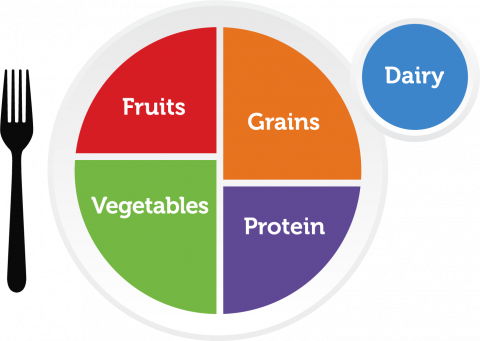
When these components come together on your plate, you naturally include carbohydrates, protein, healthy fats, fiber, vitamins and minerals. This helps you stay full longer, maintain steady energy and support overall wellbeing.
A simple way to visualize this is to fill half your plate with vegetables or fruit, one quarter with protein and one quarter with whole grains or starchy vegetables.
Why the balanced plate method works
The balanced plate method is effective because it focuses on nourishment and satisfaction rather than strict rules. It helps you:
- Stabilize blood sugar
- Stay full between meals
- Reduce afternoon energy dips
- Encourage nutrient variety
- Support gut health and digestion
It also offers structure without rigidity. You can use it with any cuisine, any cultural food tradition and any dietary preference. Whether you enjoy rice bowls, sandwiches, salads, pasta dishes or stir-fries, the balanced plate framework can fit your style of eating.
Protein for fullness and steady energy
Protein helps you stay full longer and supports muscle health, hormones and immune function. Try to include a source of protein in each meal.
Examples include:
- Chicken, turkey and lean beef
- Fish or seafood
- Eggs
- Beans and lentils
- Tofu and tempeh
- Yogurt or cottage cheese
Vegetables and fruit for color and fiber
Vegetables and fruit add fiber, vitamins, minerals and natural hydration. They also bring color to your plate which often means more nutrients. Try to include at least one colorful produce item at every meal. This supports gut health, energy and digestion.
Examples include:
- Leafy greens
- Bell peppers
- Tomatoes
- Berries
- Apples
- Roasted vegetables
Whole grains and starches for long-lasting energy
Carbohydrates are your body’s preferred fuel source. Whole grains and starchy vegetables provide sustained energy and help support focus throughout the day.
Examples include:
- Brown rice
- Whole grain pasta
- Quinoa
- Oats
- Potatoes and sweet potatoes
- Whole grain bread
Healthy fats for satisfaction
Healthy fats help your body absorb vitamins and keep you feeling satisfied. Many meals naturally include fats through protein sources or cooking methods, but you can also add small amounts of fats to increase flavor and fullness.
Examples include:
- Olive oil
- Avocado
- Nuts and seeds
- Salmon or other oily fish
Putting the balanced plate into practice
Here are examples of balanced meals you can create with everyday ingredients:
- Grilled salmon with roasted sweet potatoes and sautéed spinach
- Lentil and vegetable soup with whole grain bread and fruit on the side
- Brown rice bowl with chicken, broccoli, carrots and sesame
- Veggie omelet with whole grain toast and berries
- Pasta with marinara, turkey meatballs and a side salad
- Black bean tacos with cabbage slaw and avocado
You can also build balanced plates from leftovers by combining ingredients in new ways such as power bowls, wraps or salads.
Flexible eating in real life
Balanced plates do not need to look perfect. Some days you may have more vegetables, other days you may rely on quick meals or frozen items. What matters is consistency over time, not one single meal.
Here are ways to apply the balanced plate method outside the kitchen:
- When eating out, look for meals that include a protein and a vegetable
- Add fruit to breakfast or snacks
- Choose whole grain sides like brown rice or quinoa when available
- Order an extra vegetable side to round out a meal
The more you practice, the more intuitive it becomes.
Watch and Learn
Guide to reading food labels
The Whole U offers a printable guide to reading food labels that includes tips for identifying hidden sugars, understanding percent daily value and recognizing products that offer more nutritional benefit for your needs.
Guide to navigating the grocery store
Walking into a grocery store can be overwhelming. It can be difficult to know where to begin when grocery shopping or deciding between two similar food items. This guide offers tried and true tips on how to navigate a grocery store that will promote healthy and mindful food choices.
Guide to meal planning
Need help simplifying and taking the stress out of meal planning and preparation? Download this Whole U handout filled with simple steps and inspired meal ideas for getting meals on the table, while saving time, money and stress.
Nutrition seminars
Find a variety of webinar recordings in our Nutrition Seminars playlist on YouTube.