Skip to content

Spend wisely for the holidays with tips from BECU

The holiday season is a time for joy, connection, and generosity, but it doesn’t have to be a time for financial stress. Our partners at BECU have shared some practical tips to help you navigate holiday spending while staying on budget.

From creating a detailed holiday budget to finding creative gift ideas, these insights can help you make the most of your resources while spreading holiday cheer. Below are BECU’s top tips for budget-friendly holiday spending:

1. Assess Your Savings

Take a close look at your essential expenses and determine how much you can allocate for holiday spending.

2. Review Your Debt and Credit

Before using credit cards, evaluate your current debt and consider how much you can reasonably afford to repay. Set spending limits—and stick to them.

3. Make a Gift List

List everyone you’re planning to shop for and estimate your spending for each person. Compare the total with your budget and adjust as needed.

4. Give Experiences Instead of Physical Gifts

Create lasting memories with experience-based gifts, like a snowshoeing trip or a paint-and-sip class. You can also explore DIY gift options, but remember to factor in the cost of materials.

Gift cards can be a budget-friendly option, keeping costs predictable. This year, BECU is offering discounted pre-paid cards in partnership with Black Friday promotions.

5. Consider Gift Cards

Another great way to combat inflation is with gift cards. They can keep the cost of gifts down by staying true to the budget, and you won’t have to worry about taxes or shopping around for the best price; it’s a win-win on both sides.

6. Plan for Travel Costs

If you’re traveling, account for expenses like transportation, accommodations, and activities. Plan ahead to avoid surprises.

7. Budget for Last-Minute Gifts

Set aside funds for unexpected expenses, like an unplanned holiday party or last-minute guest. If unused, roll this amount into next year’s holiday budget.

8. Search for the Best Prices

Use tools like CouponCabin, RetailMeNot, and SlickDeals to find deals and promo codes. Compare prices to ensure you’re getting the best value.

9. Factor in Costs for DIY Gifts

While homemade gifts can save money, they come with material costs and take time. Budget for these expenses.

10. Include Charitable Giving

If you plan to donate this season, include charitable contributions in your holiday budget. Consider incorporating donations into your year-round financial plan.

11. Watch Out for Scams

Stay vigilant against phishing scams and copycat websites that could compromise your personal information.

Plan for Next Year

Once the holidays are over, start preparing for next year. Open a separate savings account or envelope, and contribute to it monthly to build your holiday budget gradually.

These tips are shared by BECU and are intended for general financial education. For personalized advice, consult a qualified financial professional.

Password phishing scams: How to avoid them

Learn how you can protect yourself from the fake alerts and emotional plays scammers use to steal your passwords with this thorough guide from our partners at BECU.


 Takeaways: Common phishing tactics and how to avoid them

  • Password phishing is when scammers posing as legitimate organizations contact you (usually about a fake urgent problem), to steal your passwords and access to your accounts.
  • Common password phishing tactics include messages about fake password resets, fake package delivery issues, fake prizes, fake fraud alerts and fake charities during real disasters.
  • Phishing is a widespread problem and can lead to a loss of access to bank and personal accounts, fraudulent credit card charges, and fake social media posts.
  • Some ways to protect your money and identity include using a password manager, choosing a password that is at least 15 characters, employing hard-to-guess security questions and enrolling in multi-factor authentication.

What are password phishing scams and how do they work?

Password phishing involves scammers using any method of communication — often about a fake urgent problem that seems to require your immediate attention — to steal passwords to your banking, credit card, health care or entertainment accounts, or trick you into giving your passwords away.

Scammers often pose as people or organizations you’ve interacted with or that sound official, such as businesses, government organizations and trusted service providers. They might contact you through emails, phone calls, voicemails, text messages or social media with an offer that sounds too good to pass up, or a threat to discontinue a service you rely on if you don’t respond right away.

The scammers’ message often contains a link. This link prompts you to enter your username, password or authentication code, or it will launch malicious software giving scammers access to your login information.

Scammers then use this information in a few ways:

  • Stealing money from your bank or credit union account.
  • Stealing your personal or corporate files and photos.
  • Making fake social media posts to scam others.
  • Impersonating you by email or in other ways to target your family and friends for scams.

If scammers contact you by phone, they often try to convince you to give them account information, authentication codes or credit card details. If your credit card is involved, the scammer might run up charges on your card.


Common password phishing scams and tips to protect yourself

Here are a few common methods scammers use to steal your personal information and some tips to help you protect yourself.

Fake password resets

Fake password reset messages are when a scammer calls you or sends a phishing email or text telling you that you must reset your password or provide information to verify your account. The messages often pretend to come from big brands such as Microsoft, or social media platforms like Facebook.

These types of attacks aren’t new, but they continue to be common because they are so successful.

In one scam, business executives were targeted with phishing emails that appeared to be from Office 365. The emails said the account passwords were set to expire. Users unknowingly entered their login credentials, which hackers could sell and use to send out more phishing emails.

How to protect yourself:

  • Never give passwords or authentication codes to callers.
  • Only reset your password if you initiated the reset. Companies typically won’t email you links to reset your password without you requesting it.
  • When in doubt about a password reset, go directly to the website, not through the email or text link, and reset your password there.
  • Look carefully at the email address of the sender. Make sure it’s spelled correctly. Hover your mouse over the email to make sure the address that pops up is the same as the address you see in the sender field.

Fake package tracking alerts (text or email)

In this type of phishing or smishing (SMS phishing) scam, attackers send email or text alerts claiming to have tracking information about a package, or that a package is waiting to be delivered.

The scammers say they will provide the package information after you enter personal information or make a payment. Usually, the message tries to lure you into disclosing your username and password, or credit card number.

In other cases, the scammers will try to convince you to click on a link that installs malware.

The U.S. Postal Service Office of Inspector General alerted postal service customers in which scammers sent phishing messages claiming to have postal tracking information about packages. FedEx and UPS have also cautioned their customers about these scams.

How to protect yourself:

  • Watch out for this type of scam as the holiday shopping and shipping season approaches.
  • Verify links in text and email messages match the web address of the package carrier service.
  • If you’re not sure about a messenger or sender, don’t click any link sent to you. Instead, open a new browser window, log in directly to the website and enter your tracking number there.

Fake rebates and prizes

Prizes, refunds and rebates can be hard to resist. In one type of phishing attack, scammers send phony text messages. These messages offer to send you money if you click a link where you’ll be prompted to log in or enter your banking information.

These messages might tell you the offer is for a limited time only, creating a sense of urgency.

A few fake prize scams have pretended to be from Hulu, Verizon and AT&T.

How to protect yourself:

  • Assume that if a prize is too good to be true, it probably is.
  • Pause for a moment, especially if you have to “act now” to get money deposited into your account. Most reputable companies give plenty of time to communicate a special offer or discount, and they won’t ask you to log in and provide your account number.
  • Look closely at links before you click on them. Make sure there are no spelling errors, and the links match the company website.
  • When in doubt, go straight to the website and see if the special offer or contest is advertised there.

Fraud alert phishing attacks

In a fraud alert phishing scam, scammers impersonate financial institutions or credit card companies with text alerts about fake fraud attempts. These types of scams play on the fear of exactly what the scammers are trying to do: Gain illegal access to your accounts and drain your funds.

Scammers have targeted BECU members with this type of phishing scam.

How to protect yourself:

  • Never provide your online banking user ID or password. A legitimate credit union or bank won’t ask for this information via text, email or by phone.
  • Don’t click links in text messages to respond to a fraud alert. Financial institutions won’t ask you to log in from a text.
  • Contact your financial institution about any fraud alerts or threats to your account using a legitimate phone number that you look up on their official website or on your debit or credit card, or contact them through your online account.

Disaster phishing attacks

Scammers prey on vulnerable people during widely publicized hard times, posing as government agencies and fake charities during natural disasters and other crises.

Following catastrophic flooding in Texas, scammers posed as government employees and charities to steal money and personal information. Others have demanded money in exchange for information about missing loved ones.

Don’t take the bait. These are attempts to gain access to your personal information.

How to protect yourself:

  • Check websites such as Charity Watch and GuideStar to verify any charitable organizations.
  • Beware of messages that prompt you to apply for insurance or tax benefits. For stimulus payments and tax credits, the first step, if you’re eligible, is to file your taxes. Don’t respond to email or text messages soliciting donations.

Unsecured public Wi-Fi

Heading to the local coffee shop to get a little work done on your laptop seems convenient, but if you’re using an unsecured WiFi network, you’re leaving yourself vulnerable.

Scammers can intercept data as it moves between your computer and the wireless network, which is called a “man-in-the-middle” attack. If they manage to intercept your user name or password over an unencrypted channel, they might use that information to target you with phishing attempts, use your account to send phishing messages to others, or gain access to your accounts directly.

How to protect yourself:

  • Never enter banking passwords or sensitive information over unencrypted public Wi-Fi.
  • Disconnect your Bluetooth if you’re not using it.
  • Don’t shop online on an unsecured network. Attackers can potentially intercept your login credentials for the site you’re shopping on and access your payment information.
  • Use a VPN (virtual private network) to create a secure connection through an unsecured, public Wi-Fi.

4 Tips to protect against password scams

Although attackers are finding new and creative ways to steal your personal data, there are a few steps you can take to improve your overall security online.

1. Use a password manager

Using a password manager that generates random passwords can simplify the task and likely do a better job of keeping your accounts safe than you can on your own.

PCMag has reviews of password managers in several categories.

If you decide to manage your passwords without a service, be sure to create strong passwords and change them frequently. Never use the same password on multiple accounts; if it’s compromised in one account, all of your accounts become vulnerable.

2. Choose a longer password

The safest passwords are at least 15 characters long, according to the latest guidance by the National Institute of Standards and Technology.

The more characters you have, the harder it is to guess. In fact, it would take a modern laptop more than 500 years to work through all the possible combinations of a 15-character password, according to NIST.

If you’re concerned about remembering a long password, consider using a passphrase — combining several real words together.

You can include numbers and special characters to make the password harder to guess, a long password is a higher priority than a complex one, according to the latest NIST recommendations.

Only respond to password change messages if you initiated them. Remember that legitimate organizations won’t send you texts or emails, and they won’t call you to ask you for this information.

If someone calls you asking for the authentication code you just received to help you log in, don’t give it to them. It’s likely a scammer who has intercepted your data.

3. Use hard-to-guess security questions

As a secondary layer of protection, many websites require you to choose security questions and answers.

WIRED magazine calls security questions “problematic” and a “weak link” because the answers are too easy for scammers to guess.

If you are required to rely on security questions, choose questions that can’t be easily answered by a Google search.

If you’re having trouble finding a security question that doesn’t have an easy-to-discover answer, WIRED recommends against answering the security question honestly.

4. Use multi-factor authentication

Multi-factor authentication is a security feature that requires you to verify your identity at least two different ways when you login to an account. Often, you’ll enter your user name and password, then the website or app will send you a unique security code by text message, email or phone call.

This is an important added layer of security, but like all security measures, it’s still subject to hacks and scams. For example, scammers might use bots to convince you to give them your authentication code so they can access your accounts.

How To protect yourself:

  • Only enter codes for accounts you are actively trying to access.
  • Consider it a red flag if you receive a message or a call asking for your code to resolve a problem, especially if there is a sense of urgency.
  • Don’t click any links in the message.
  • Use contact information you have saved, or look it up yourself, to reach out to the organization and check your accounts.

Portrait of Katie J. Skipper

Katie J. Skipper(She, Her, Hers)
BECU Community Content Manager
Katie manages the BECU Blog and writes about personal finance topics including credit cards, budgeting, debt management, loans, taxes, home improvement, inflation, fraud and scams. She also writes about race, gender and social equity, and features the stories and expertise of BECU employees and community members.

A former journalist, she has reported for daily newspapers in Washington and Montana, including The Daily (Everett) HeraldGreat Falls (Montana) Tribune and The Bellingham Herald, covering a range of topics including government, law and justice, and the environment.


Thank you to BECU for sponsoring The Whole U!

Getting real about financing college

Your mind may have been boggled by the recent headline declaring that the full cost of attaining a four-year degree at a few of the nation’s elite universities is about to surpass $400,000 for the first time.

Of course, few students will actually pay this astronomical sticker price. And higher education costs quite a bit less at the vast majority of schools.

But the reality is: a college degree is expensive anywhere. Especially when you factor in room, board, fees, books, technology, supplies and travel as well as tuition.

According to the Education Data Initiative, the average annual total cost for a student attending a private university is now $58,628 (including $38,768 in tuition).

The average annual cost for an in-state student at a public university is $27,146 (including $9,750 in tuition). For out-of-state students, that average annual cost at a public university rises to $45,708 (including $28,386 in tuition).

That puts the University of Washington above average for both kinds of students. The total annual cost for in-state students is estimated at around $35,000 (including $11,869 in tuition). The total estimated annual cost for out-of-state students runs closer to $66,000 (including $42,105 in tuition).

These costs are not standing still. EDI reports that the price tag for higher education in the United States has doubled since the turn of the century, rising at rate greater than 4% per year. And there’s no sign that this growth is going to slow.

That’s the scary part. But there are many strategies to reduce the cost of higher education. We asked our partners at BECU to help get you started on economizing college. Your dreams of sending your kids to college are not impossible. With some smart saving and savvy planning, you can make it happen.

Start saving early

The best way to ensure you have enough funds for your children’s higher education is to start saving as early as possible. Thinking about higher education expenses when your children are still young may seem unusual. However, the earlier you start, the more time you have to save and plan. Even small contributions can add up over time and make a significant difference in covering the cost of higher education. Here are some education savings strategies to consider:

529 Plans – tax advantaged savings plans designed to save money for approved higher education expenses including tuition, fees, books, supplies and room and board. 529 plans can be used at any public or private college, university or technical school in the United States (and even some foreign colleges). They come in two types:

  • 529 education savings plans – investments grow tax-deferred, and withdrawals are tax-free when used for qualified education expenses. Washington state’s 529 education savings plan is called Dream Ahead.
  • 529 prepaid tuition plans – allow you to prepay all or part of the costs of a college education to essentially lock in future tuition costs at today’s prices. Washington state’s 529 prepaid tuition plan is called GET (Guaranteed Education Tuition).

Coverdell Education Savings Accounts – also known as an Education Savings Account (ESA), is a tax-deferred account where earnings and distributions are tax-free as long as the funds are used for educational purposes. The maximum annual contribution limit is $2,000 per year per student.

Traditional savings and CD accounts – though they lack tax advantages, the put the power of compound interest to work for you, meaning you’ll earn more money on your savings over time.

Economize college

Cut unnecessary expenses – review your current monthly expenses and identify areas where you could cut back to free up extra cash for your children’s higher education. It could be as simple as eating out less, canceling unused subscriptions, or finding more budget-friendly entertainment options.

Create a budget – a detailed monthly budget can help you track your spending and identify areas where you can save. Make sure to include all your expenses, including groceries, utility bills and other necessary expenditures. Stick to your budget and find ways to save even more each month.

Consider a side hustle – look for creative ways to increase your income. Consider taking on a part-time job or picking up a side hustle. Many people earn extra income through gig economy driving and delivery jobs or by freelancing, selling items online, providing tutoring or pet-sitting services

Calculate the real cost of a degree

Average costs only get you so far in calculating how much money your family is going to have to pay for higher education. Higher education comes with a wide variety of price tags.

Before you get too far into the math, take some time to talk to your student(s) about their educational goals. Do they dream of a bachelor’s degree? Or would a vocational degree better suit their career goals? Do they know what they want to study? Or do they need more time to figure out what they want to major in?

A group of young college graduates poses in cap and gown.

Once you start considering particular schools, it’s important to note that the price a given student or family pays for tuition can vary dramatically based on demonstrated need and merit. Universities determine financial ad packages for each accepted student based on the information in the FAFSA (Free Application for Federal Student Aid). Some private universities also use College Board’s CSS Profile for decisions on need based financial aid awards.

When making decisions, remember to consider the full cost of education. Tuition gets most of the attention, but it’s important to calculate the full cost including fees, on-campus room and board or off-campus housing and food budget, books, computer, supplies, travel and other miscellaneous expenses.

That’s the bad news. The good news is that there are many opportunities for need and merit-based grants and scholarships to also factor into the net cost of education. More on these below.

Got get a realistic picture of what higher ed might put you back, many universities publish their own online cost calculators, in which you can customize your own student’s situation. There also are more general cost estimators available on many financial and government sites such as becu.org and  USA.gov.

Explore financial aid options

There are many ways to reduce the cost of higher education, including three primary types of financial aid: loans (which have to be repaid), grants and scholarships (which don’t have be repaid) and work-study employment that lets students earn money and gain job experience while they’re in school.

The amount and type of financial aid offered is based on two factors: merit (scholastic, athletic, musical, etc.) and financial need.

About two-thirds of full-time undergraduate college students receive some sort of financial aid. To find out if you’re eligible, you need to fill out the FAFSA and possibly the CSS Profiles.

Government Loans are borrowed money that have to be repaid with interest. They are generally a better deal than private loans due to a lower fixed interest rate, more flexible repayment terms and potentially deferred payments. Two forms of government loans are:

  • Stafford loans – used to supplement personal and family resources, scholarships, grants and work study. They may be subsidized (interest payments are waived while your child is in school) or unsubsidized (interest accrues during school).
  • Parent PLUS Loan – can cover more of the cost of education than a Stafford Loan, but they have higher-interest rates and are only available to parents of enrolled students.

Government Grants are awarded by federal, state or local governments. They are often need-based and do not need to be repaid. Examples include the Federal Pell Grant, Federal Supplementary Educational Opportunity and the Teacher Education Assistance for College and Higher Learning (TEACH) Grant.

Scholarships are available through a variety of organizations, including universities, employers, individuals, nonprofits and religious and professional groups. Scholarships can be a good resource for families that have too much income to qualify for federal financial aid, but not enough to pay for school without assistance.

If you have a student in the Seattle Public Schools system, you might consider the Seattle Promise program. Seattle Promise provides graduates of Seattle public high schools tuition-free education at three Seattle Colleges—North Seattle, Seattle Central and South Seattle—for up to two years, 90 college credits or the student’s first degree, whichever comes first. Eligibility for Seattle Promise does not consider GPA, income, ability or country of birth.

Consider alternative pathways

If you are like most families, at some point you will need to involve your children in a reality check. Compare the prices of different schools. Maybe your child dreams of attending an Ivy League school but doesn’t want to be paying off a student loan 25 years from now. Maybe there is a comparable experience to be found at a less expensive private or public school.

It is also important to consider that there may be better options than a traditional four-year college for some young people. For some young people, trade or vocational schools offer specialized training and qualifications that can lead to well-paying jobs and satisfying careers.

Daunting but doable

In conclusion, paying for your children’s higher education can seem daunting, but it is achievable with planning and changes to your spending habits. By starting early, cutting unnecessary expenses, creating a budget, and exploring financial aid options, you can alleviate some of the financial burdens of college. Remember to involve your children and consider alternative pathways if necessary. With these tips, you can help set your children up for a productive and independent future.


Find many more great tools to maximize your financial health at BECU’s Get Money Smart site or blog.

20 tips to save money at the grocery store

Trips to the grocery store can be expensive, especially if you have a lot of mouths to feed. The average U.S. household spends $4,942 on groceries per year, based on 2020 U.S. Bureau of Labor Statistics data. That’s roughly $412 per month. With inflation rising and continued supply chain shortages due to the COVID-19 pandemic, many individuals and families have noticed that grocery bill rising even higher.

There are a lot of factors that impact the cost of your groceries, such as your diet, budget, region, and number of people eating in your household. While most of these are factors that we cannot control, there are various strategies on how you grocery shop that can help you save your hard earned cash.

If you are struggling to meet your basic food needs, we encourage you to visit Any Hungry Husky to learn more about resources for food instability. Food instability is common and there are many pantries and programs to help. If you are in a place where you can give, visit this resource article from the UW Combined Food Drive to see how you can contribute.

Here’s 20 tried and true tips for your next grocery shopping run. These won’t answer all the questions, but at the end of the day every dollar counts. Try a handful and see how much you can see.

Use a cash back credit card.

Depending on how much your average grocery bill is, using a cash back credit card to make your grocery purchases can be a great way to get those precious dollars back! Some cards can even offer up to 8% back on purchases, depending on how the card works. Click here to see which cards NerdWallet recommends for grocery shopping in 2022.

*Be sure that you only spend as much as you would in cash or from a debit card, and read the fine print. Some cards have special rewards cycles, and if you’re able to follow along, that’s when you can really ring in the benefits.

Sign up for loyalty programs.

Most grocery stores have loyalty programs that provide points for cents off at the gas pump, coupons for your favorite items, and full access to store sales. Generally, grocery loyalty programs are free to join. If you shop regularly at a large retailer, these programs can really help shave dollars off your final bill.

Consider joining a wholesale club.

Wholesale clubs like Costco and Sam’s Club do have an annual fee, but if you are a large family or are able to shop in bulk and store items, you can really save. Items like beans, nuts, seeds, canned goods and cooking ingredients tend to be cheaper when purchased in bulk through wholesale clubs. Wholesale clubs like Costco can also help you save on gas if you live in an area where gas is expensive-like here in Seattle!

One trick to seeing if your wholesale club is cost effective for you is to keep a log in your first year. While tedious, you’ll be able to see if you saved money and how much. Start by logging what you buy, how much you got, and how much it cost. Compare to your local grocery store and estimate how much you would have spent on the same goods. Subtract your annual wholesale membership fee, and see what your bottom line is.

Stick to your list and set a realistic grocery budget.

It’s a tale as old as time. Going to the store with no grocery list can really increase your final bill! Shopping by the list can be a great help to save more at the grocery store.

Not sure how to structure your list and navigate the store? Click here for The Whole U’s guide to navigating the grocery store.

Setting a grocery budget can be difficult, but it is important to understand your limits and needs. What foods can you afford? What is a splurge and what are your staples? Click here to learn more about grocery budgeting and recommendations for how much of your income to spend.

Quick note: Groceries typically fit into the necessities bucket of your budget.

Avoid pre-packaged items and prep your own food.

Pre-packaged items like yogurt, hummus, and snacks are convenient, but they cost much more than if you purchase in bulk and package at home. A few ways you can do this is to invest up front in Tupperware or glassware you will use ongoing or repurpose store containers. Save your cream cheese containers, clean them out, and voila!

Avoiding pre-packaged foods is great for the wallet and the environment. Shopping second hand is another great way to find gently used glass bottles to start packaging your goods.

Make bulk batches and freeze meals.

Do you find you are constantly purchasing too much food, and then it’s going bad? Making your meals in bulk and taking advantage of the magical qualities of a freezer may be the trick for you. Then, the following week when you’re too tired to cook, you can pop your prepared meal in the oven or microwave and be good to go.

This may also help you visit the store less. You won’t have to return as soon when you have meals prepared and waiting for you.

Got time on your hands? Compare prices.

My grandfather always shopped the daily paper looking at advertisements and comparing prices. I used to wonder how it was worth the effort, but now I find myself doing the same. If you have the flexibility to visit multiple stores, shopping paper or online advertisements can be a great way to find the best deals. There’s no need to feel married to one store.

Pro tip: If you don’t get the advertisements in your mail or online, you can always find copies in the front of most grocery stores when you first enter. Ask a clerk if you need assistance.

Buy generic brands.

I will always laugh at the fact that I used to beg for the MAIN BRAND! At the end of the day, generic brands taste just as good and cost less. Win, win! It’s a known, but often forgotten, trick that grocery stores keep the more expensive items at your eye level. Look up and down. That’s where you’ll find Kroger cereal, crackers, etc.

Bring your own bag.

This is a very simple, yet effective tip and it really does add up. Let’s say you live in Washington state. We have an 8 cent bag tax. Some regions it’s even higher, and this fee is taxable because the store is selling you the bag. If you go the store about 2 times per week and purchase a bag, that’s about $10 a year. That may not sound like a lot of savings, but it’s a yummy coffee or lunch item. And using your own bags is better for the environment. We love a win, win.

Clip coupons.

We’ve all heard of those extreme coupon clippers…they save thousands of dollars each year! While this takes all sorts of time and energy, keeping track of what you buy each month and saving coupons from both the manufacturers and the stores you shop at can give you generous savings each year.

Plan recipes ahead of time.

If you know what you’re going to be cooking and eating, you can make fewer visits to the grocery store and be successful in one large haul. This tip goes hand in hand with having a good list prepared before you visit the store and utilizing freezer storage. When you know what recipes you’re cooking, it’s not as tempting to throw yummy things in your cart that may end up going to waste.

Not sure where to start? Download this guide to meal planning and preparing from The Whole U.

Without planned meals, you may also buy something that sounds good, go home, and realize that you need even more ingredients to go along with that item. After you head back, you’ve spent more than if you had a list based on your meals pre-planned.

Shop alone and on a full-stomach.

If you have the luxury of shopping alone, you can make your trip a mindful experience. Yes, I really said that about the grocery store! Take your time and try not to get wrapped up in the hustle and bustle of it all. Fit your grocery shopping into a time in your week that you can carve out intentionally for you.

You won’t be coaxed into buying things you don’t need by other people who had to come with you, and you’ll be able to make better decisions on what you really need.

The next part of this tip is to never shop hungry. We all know where that leads…a cart full of comfort, quick fix food that is typically more expensive. It’s also difficult to shop hungry, our brains just cannot compute!

Take inventory before you shop.

We’ve all been there. Standing in the aisle wondering, “Do I have eggs at home?” It’s just the worst buying double, coming home, and realizing you already have something. Especially if it is perishable. It’s difficult to shop unprepared. Knowing what is in your pantry, freezer, and fridge is a guaranteed way to help you save money.

One way to do this is to keep a kitchen inventory. Some people swear by the reverse list: Keep a list of all the things you have and regularly use. Cross off when you are out of that item, and then it moves to your ‘Need to buy’ list. When it’s time to shop, you already have your list and are ready to go.

Shop in season.

Are you buying blackberries in winter? Odds are they cost much more than when they are in season. Shopping your local and seasonal produce is a great way to save money on produce.

Click here for a Washington seasonal produce guide from The Whole U. Print it out and display in your kitchen, and you’ll never have to wonder what’s in season anymore.

Consider limiting high priced items.

There are some luxury items that are always going to be more expensive. Consider limiting these items and making them more of a treat. Things like alcohol or meat. You can try meatless Monday’s, and creating meals focused on lower priced items. Vegetable and bean-based protein is more nutrient dense and more affordable.

Buy frozen vegetables and fruits.

Are your vegetables always going bad? What a waste of food and money! Consider buying frozen goods so that you can extend the shelf-life of your favorite produce. It’s a myth that frozen fruit and vegetables aren’t good for you. Frozen is a great option for many households.

Don’t get down on yourself if you’re not able to sustain cooking fresh food. We all have different needs and lifestyles, and frozen veggies and fruits are better than nothing at all.

Shop at discount grocery stores.

Consider mixing discount stores like Grocery Outlet and the Dollar Store into your shopping rotation. These stores often carry the same products for a much better rate.

Pay attention to the price per unit.

Ah the price per unit, the extra numbers on the price ticket that everyone gets confused by. Understanding the price per unit is a great way to know what the best deals are. If you only shop by the price listed, you may not notice that you could buy the same item in a large quantity and higher price, but at the end of the day, you are saving more.

*Make sure to factor in whether you can store the item properly to preserve.

Click here to read how to understand the price per unit.

Find out when your store’s discounting cycle is.

Do you always shop at a particular store? Ask your checker when they do the discounting for the week. Often, weekdays are cheaper than weekends, and stores tend to begin sales mid week, especially on items that will eventually spoil.

There’s no shame in making sure you get the best deals! If you are able to shop early in the day on sale days, even better. You’ll get first access to the best deals and won’t feel rushed by the hustle and bustle of the store.

Pay attention at the register.

If you use only one of these tips, this is definitely one to consider. Stores have complicated sales and thousands of items. Make sure your items are ringing up as listed. If your grocery bill comes out without all the wonderful savings and perks, what’s the point of even shopping for those deals?

Grocery shopping can be stressful and expensive. We hope that these tips help you navigate the store with a little bit more finesse and confidence. Share with us your other favorite tips in the comments below!

Back-to-school savings tips

​If inflation has taken a big bite out of your back-to-school budget, you’re not alone. Learn how to plan for school supplies, clothes, electronics and more.

Getting kids geared up to go back to school is an annual tradition — and expense — for families with K-12 kids. Inflation has made affording school supplies more challenging for many people during the last few years.

A survey by the National Retail Federation shows people think they’ll pay more for clothing, school supplies, shoes and electronics in 2023. Between 2019 and 2022, inflation hit back-to-school categories by up to 36%.

Take some guesswork out of back-to-school shopping by pairing your shopping list with these savvy back-to-school shopping strategies.

Five steps to create a back-to-school budget

1. Review last year’s expenses

This can help you set a baseline for this year’s costs. In general, consumers in 2022 planned back-to-school expenses this way, per household:

  • $293 on electronics or computer-related equipment.
  • $264 on clothing and accessories.
  • $168 on shoes.
  • $140 on school supplies.

2. Take stock

See what you already have and figure out expenses you can delay. For example, your child may not need a new pair of shoes right now. Last year’s colored pencils could still be usable. In 2022, 24% of consumers (PDF) said they’d make do with last year’s school supplies.

3. Make a list

Try to think about everything your student needs, including one-time and recurring expenses. Categorize items that apply to your situation using a school-supply list provided by your child’s school and your own prior experience. Creating a list with your child can also help you save on future expenses, set expectations and maybe reduce arguments.

4. Prioritize your shopping list

Identify which items are essential and which items are just popular or trendy. I call these “must-haves” and “nice-to-haves.” Focus on budgeting for the must-have items first. If you have a little extra money, you can treat your student to a few of the nice-to-have items, too.

5. Set a spending limit and stick to it

It’s a good idea to pad your back-to-school shopping budget to cover unanticipated expenses. For example, you may need to replenish school supplies or clothes during the school year. Don’t forget about surprise costs, such as a class field trip.

For older kids, work together to set a spending limit and let them do the planning. This will allow them to make decisions about needs vs. wants.

Five ways to save money on back-to-school shopping

Most back-to-school shoppers surveyed in the past say they’ll use a few strategies to save, including the following.

1. Shop sales

In the NRF survey, 68% of consumers said a major strategy is to shop the summer sales of big retailers like Target and Amazon.

But don’t forget to check out other options. Office supply stores, dollar stores, wholesale stores, department stores, drugstores and big-box stores carry various back-to-school items. Check these locations for loss leaders — products such as notebooks or lunchboxes deliberately underpriced to attract shoppers. But make sure you don’t fall for their tactic; stick to your list and only buy things that are within your budget.

Secondhand stores are another good option. They sometimes sell binders, folders, and unopened packages of many supplies. You can also check online marketplaces such as Facebook Marketplace and OfferUp for deals on costlier items like electronics.

Look for clearance sales on school supplies. Not all items must be purchased immediately. In addition to shopping summer sales, you might also find deals if you wait until shortly after school starts so you can stock up for less.

When you’re shopping sales, keep in mind that some stores match other stores’ prices, which could cut down on time spent running around town, searching out deals.

2. Compare prices online

Most shoppers say they’ll compare prices online, according to the NRF survey. Check websites for office supply stores, big-box stores and retailers that carry your favorite products. Several tools can make this easier. For example, the website camelcamelcamel.com shows you Amazon’s price history of an item. A recent search showed a 12-pack of Oxford spiral notebooks ranged from $16.65 to $21.99.

3. Buy more generic or store brand items

Unless your child’s school insists on name brands, parents’ money-saving plans include buying less expensive brands, including generic or store brands.

However, if you’re shopping from a school list, check with the teacher before buying a less expensive brand. If your school expects students to have a specific type of organizer or calculator, don’t wait until the last minute. You may pay more or have fewer choices.

4. Buy in bulk

You may find per-item costs lower if you buy in bulk versus individual items. Work with other families or neighbors to buy a batch of pens, notebooks, and other supplies, then distribute the purchase.

5. Download apps to your favorite stores

Around one-third of NRF-surveyed shoppers say they’ll rely on coupons to help save money. Many apps feature digital coupons that can help reduce costs. But beware of the urge to splurge on items just because they are on sale. You might end up spending more on items you don’t need. Focus on the essentials, your list and your budget.

Plan for the future: Back to school happens every year

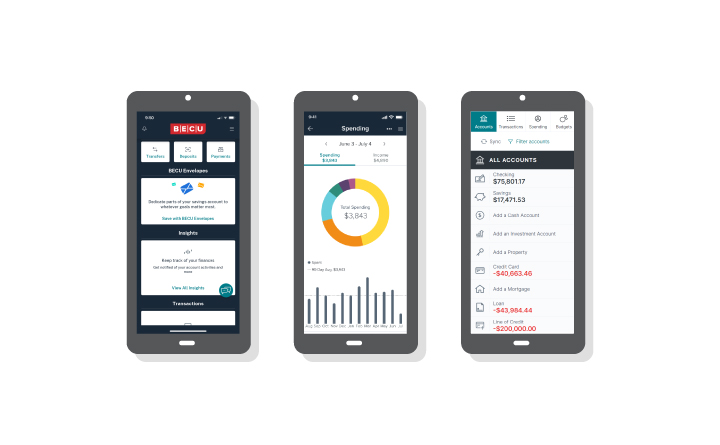
After you’ve finished all your shopping, you’re not quite done yet. Take some time to compare your budget versus actual spending using an app like Mint or BECU’s Money Manager. Review your spending on supplies, clothing, shoes and other costs. Were there any surprising categories? What led to overspending? Where did you save the most? Think about including your child in this review. This is a great time to teach them about budget, spending, setting goals and evaluating purchases.

To get ahead of the game for next school year start saving now. Divide the total cost you spent this year by 12 and put away that amount every month. You can create a physical or digital savings envelope or even open a separate savings account and set up automatic monthly transfers. Set it and forget it!


Written by Stacey Black (She/Her/Hers), BECU Lead Financial Educator
For nearly 30 years, Stacey has taught adults, college students, teens and children through the BECU Financial Education program.

This article is reprinted from our financial partner BECU’s Money Matters blog. Special thanks to BECU for making events and content at The Whole U possible. 

Budget friendly vacation ideas in Washington State

This article was provided by our partners at BECU.

If you live in Washington and want to enjoy a break without breaking the bank, consider taking a summer vacation a little closer to home. Here are some ideas from our partners at BECU to help you save while exploring your own backyard.

While scrolling through Instagram pictures of tropical resorts, luxury lake homes and international excursions, you might think everyone is taking high-dollar vacations this summer.

But the prospect of spending thousands of dollars on a summertime getaway can be disheartening if you’re trying to save money and pay off debt. Even though travel costs have decreased since last year, airfare, hotel and care rentals can add up.

The good news is, if you live in Washington, you’re surrounded by great opportunities to explore and have fun. Here are some ideas to help you control costs in four main vacation spending categories: entertainment and activities, food, lodging and transportation.

Entertainment and Activities

One way to control costs on your vacation is by being selective about your entertainment choices. Here are some ideas.

Go Hiking

Enjoy trails ranging from easy to expert in Washington’s diverse geography. Trail access is typically free, but you may need to pay for parking and park entrance fees. Some trails in backcountry and wilderness areas require paid permits, and access may be limited through a permit lottery. Check the requirements before you get to the trailhead. If you’re new to hiking, learn how to stay safe before you go.

Washington offers thousands of hiking trails for any activity, skill level or season.

Visit Snoqualmie Falls

If you like waterfalls, this stop is for you. Plus, it’s free and viewing areas are ADA accessible. According to the Snoqualmie website the falls are more than twice as tall as Niagara Falls and the second-most visited natural landmark in Washington after Mount Rainier. After you visit the falls, you can head into town for local ice cream at Snoqualmie Ice Cream (temporarily located at 8125 Falls Ave.), or local beer at Snoqualmie Falls Brewery.

A visit to Snoqualmie Falls is free. You can choose an easy stroll to the top viewpoint, or, if you have more energy, take the trail to the bottom and back.

Play at the Beach

With more than 3,000 miles of outer coastline, Washington provides lots of opportunities to play at the beach. You could try surfing at Westport, exploring tide pools at Rialto Beach or clamming at Illahee State Park. (Clamming requires a license from the Washington Department of Fish and Wildlife, and you’ll need to check the health status of beaches with the Washington Department of Health.)

Enjoy beaches along the Pacific Ocean, Puget Sound, lakes and rivers across Washington

Visit a Lighthouse

With so much coastline, Washington also is a lighthouse fan’s dream with 30 lighthouse sites. One example: View the Cape Flattery Lighthouse from the rugged northwestern-most point of the lower 48 states. Be sure to stop at the Makah Indian Reservation to buy a recreation permit before you go, or buy and print a permit from the Makah website.

Lighthouses dot Washington’s shorelines. Some still have active lenses and you can go inside some for tours.

Go for a Scenic Drive

If you’re looking for a great view and have gas money as part of your vacation budget, Washington has some spectacular options. Here are a few favorites:

Mount Baker Highway, or Highway 542, winds east from Bellingham through Whatcom County, ending at an elevation of 5,140 at Artist Point, with stunning views of Mt. Baker and Mt. Shuksan. If you’re coming from the south, consider taking Chuckanut Drive to Bellingham.

Olympic Peninsula Loop on U.S. Highway 101 is a 300-mile route around the perimeter of Olympic National Park. Drive the whole loop or pick sections to see rainforests, Pacific Ocean beaches and lakes. Highway 101 is also the road to Forks, made famous by the “Twilight” movie series.

Highway 14 along the Columbia River Gorge is the Washington counterpart to the popular I-84 route on the Oregon side of the gorge. You’ll be treated to views of the Columbia River and Mount Hood, see the top windsurfing spots in the world, and you can visit a Stonehenge replica, built as a World War I memorial, at Maryhill.

A Stonehenge replica, built as a World War I memorial, is one of the scenic stops along Highway 14.

Take a drive to Paradise in Mt. Rainier National Park for breathtaking views.

Tour a Bunker

During World War II, military forts were built along the Strait of Juan de Fuca to defend Puget Sound. You can visit many of these sites, whether you’re interested in learning some history, or you like the spooky factor of walking around old bunkers.

Many locations require a Discover Pass or other paid parking permit. Here are some of the bunkers you can visit:

  • Camp Hayden in Port Angeles.
  • Fort Worden in Port Townsend.
  • Fort Casey on Whidbey Island.
  • Fort Ebey on Whidbey Island.
  • Fort Flagler on Marrowstone Island.
  • Fort Ward on Bainbridge Island.

Food

Whether you stay in a hotel, camp in a tent or crash with friends, meals can be one of the most expensive parts of any travel plan. Here are some ideas to control food costs:

Make Your Own Meals

If you pack your groceries (or buy them when you get to your destination) and limit yourself to one restaurant meal per day, you can reduce your food expenses and treat yourself to some truly delicious dining experiences.

Pack Your Meal as Part of the Fun

Pack your meals to make eating part of your outdoor experience. Whether you’re hiking, road-tripping, beachcombing or visiting a park, plan to enjoy your surroundings while you take in a meal. Bonus: You don’t have to take a break from your activity to go find a restaurant.

Prepare Local Food

The diversity of Washington’s geography supports a wide variety of food. Here are a few suggestions for places to pick up local food that you can take back to your kitchen and prepare:

Crabbing in the Puget Sound makes the perfect meal for seafood lovers. Licenses are required for this activity.

Shop at local farmers markets for the fresh produce and regional specialties.

Lodging

Lodging can be another big chunk of vacation expenses.

Staying with friends and family can be fun — and economical. If you take your friends out for a meal or two to repay their kindness, you’ll still spend less than the cost of a hotel stay.

But what if you don’t know anyone who lives in your vacation destination or just prefer not to stay with friends? Here are a few money-saving options.

Go Camping

Washington is home to beautiful camping options, offering an array of mountain, rainforest, desert, beach, lake and river locations.

If you’re a new camper and starting from scratch, getting geared up can be an investment. You’ll want to build savings goals into your budget for purchases like a tent, sleeping bag, sleeping pad, stove and cooler. But once you have your setup, you’ll have plenty of options for low-cost accommodations.

Camping can be a low-cost lodging option that gives you a chance to connect with nature and unplug.

Here are some examples:

Washington State Parks campsites cost $12 for a primitive campsite, up to $56 for a full-utility campsite.

National Parks campsites costs vary by park and by campsiteOlympic National Park, for example, costs $15 to $24 for a campground spot. Some National Parks also have entrance fees. For example, Olympic National Park charges $30 for a standard non-commercial vehicle with up to 15 passengers.

Washington Department of Natural Resources manages 80 campgrounds in the state. Campsites are free, but they are first come, first served, and you do need to have a Discover Pass.

If you’re not quite ready for tent camping, you can spend a little more for a “glamping” experience in a yurt or cabin, but be aware: Some cabin rentals can rival the cost of a hotel stay.

Sort by Hotel Price

If you don’t already have your heart set on a destination and you just want to get away for a few days, consider choosing your vacation spot based on the price of lodging.

Go to a hotel or vacation rental website, enter your vacation dates and sort by price. For example, a search on Booking.com for three-star accommodations in Washington for a week in July, flexible dates and two adults returned 1,217 properties. The lowest price was $310 for a hotel in Yakima, including breakfast — so maybe a winery tour is in your future.

Transportation

Transportation costs — including flights, rental cars, gas and ride services — can add up.

Even though airfare is the lowest it’s been in three years, according to Hopper, you can cut out a big chunk of your vacation expenses by finding fun and relaxation closer to home.

U.S. domestic flights still average $265 per round trip, and international travel prices are much higher.

Here are some transportation suggestions to get you to your local vacation spot and enjoy the sights once you’ve reached your destination.

Take Local Public Transit

Many Washington cities and counties offer bus services and other types of public transportation.

King County Metro is the largest local public transportation agency in the region, serving Seattle and all the surrounding cities and unincorporated areas of King County. An adult single-ride fare is $2.75 and a regional day pass is up to $6.

You can even take the bus to popular hikes along I-90 near North Bend using Metro’s Trailhead Direct service. No gas or parking money required.

Other fun and affordable public transit options include Seattle’s South Lake Union Streetcar and Seattle Center Monorail and Sound Transit’s Link light rail.

Ride the Ferry

In addition to being a great option for getting you to and from a destination, ferries can be an affordable alternative to water tours and cruises.

Riding a ferry can be an affordable way to get your vacation destination or just get out on the water.

Washington State Ferries are a division of the Washington State Department of Transportation and an extension of the state highway system. Ferry routes (PDF) connect passengers to locations throughout the Puget Sound and the San Juan Islands.

Prices vary, but as an example, from Seattle, an adult can walk on the ferry to Bainbridge Island for $10.25. The ride back to the city is free. If you decide to drive on the ferry with an adult passenger and two kids under the age of 18, you’ll pay $33.45. That’s a pretty good deal, considering you aren’t paying for airfare.

If you’re planning to travel to Port Townsend or the San Juan Islands, you can save yourself a long wait during busy travel times by making a reservation.

Find Activity-Based Transportation

If your vacation involves a specific activity, like hiking, mountain biking, wine tasting or brewery tours, check if shuttle services are available.

Here are some examples:

Little Hopper provides shuttle service for craft brewery and winery tours in Yakima Valley.

Visit Walla Walla’s website has a list of wine tours and transportation options.

Olympic Hiking Co. Trailhead Shuttle offers transportation to backpackers who want to leave a car at one end of their point-to-point trip through Olympic National Park.

Talking Rocks Outdoor Company, based in Enumclaw, specializes in trailhead shuttle service to the South Cascades.

Enjoy a winery tour and explore vineyards in Washington.

While on vacation, sip and learn the history of popular Washington wines.

Resources

Figuring out where to go and what to do can be overwhelming. Here are a few suggestions to get you started:

Local newspaper entertainment guides: The Seattle Times, for example, has an event and entertainment guide called “The Ticket,” and The Stranger has “EverOut.”

Tourism bureaus and organizations: State of Washington TourismVisit SeattleVisit Spokane and Yakima Valley Tourism are examples.

Bargain-based listings: Greater Seattle on the Cheap has a whole website dedicated to low-cost fun.

Your local library: Public libraries are great places to find free entertainment, festivals, classes, art and history.


This article was written by Katie J. Skipper, BECU Community Content Manager. Katie manages the BECU Blog and writes about personal finance topics including credit cards, budgeting, debt management, loans, taxes, home improvement, inflation, fraud and scams. She also writes about race, gender and social equity, and features the stories and expertise of BECU employees and community members. A former journalist, she has reported for daily newspapers in Washington and Montana, including The Daily (Everett) HeraldGreat Falls (Montana) Tribune and The Bellingham Herald, covering a range of topics including government, law and justice, and the environment.

Thank you to BECU for sponsoring The Whole U!

Affordable rental housing through Seattle’s MFTE program 

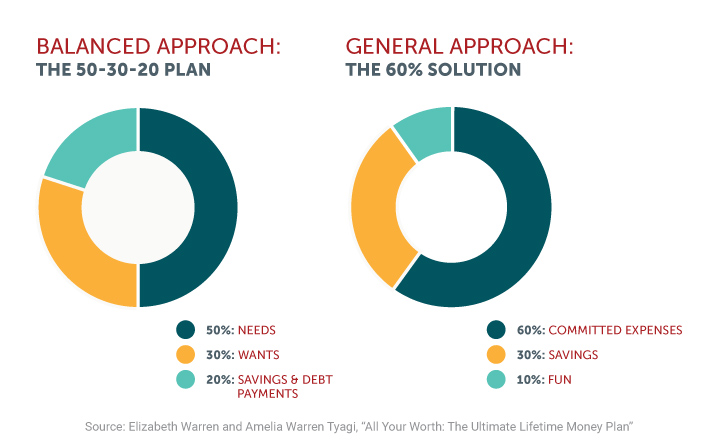
Whether you are saving money toward purchasing a home or simply watching your expenses, managing your rent costs makes good financial sense. Budget advisors generally recommend keeping housing costs at 30% of your household’s income or less. This can be challenging in the city of Seattle, especially for families earning moderate to low incomes. While average rents in our area declined during the pandemic, they are still among the highest in the country.

The Multi-Family Tax Exemption program, known as MFTE, is part of the City of Seattle’s efforts to make available more affordable rental options. MFTE gives landlords tax incentives if they commit to charging below-market rents to some units in their building. These rent-restricted units are available only to tenants who earn less than a certain percentage of the area’s median income.

UW employees receive priority access to rent-restricted MFTE units at Bridges @ 11th, an apartment complex located in the University District.

Seattle’s Office of Housing website includes full details about the program, including answers to frequently asked questions about MFTE, but the team at Bridges@11th shared some MFTE highlights to help you determine if the program may be right for you and walk you through the typical MFTE process.

1. Find out if you qualify

To qualify for MFTE, you will need to verify that your household income falls within income eligibility limits which currently range from 40% – 90% of Seattle’s area median income (AMI). If you qualify, your rental rates will be capped based upon your household income and the type of unit you rent. Visit the city’s website to compare your household income with the current MFTE income and rent limits.

2. Find a property

To see if there are MFTE properties where you want to live, see the list of MFTE properties on the city’s website. It includes roughly 180 properties located throughout the city, their locations, contact information and the types of units they offer. You’ll need to contact properties and ask about their current availability.

3. Submit your application and join the wait list

You will need to provide a Resident Eligibility Application (REA) to each MFTE property where you apply, and landlords will verify your income at the time they offer you an MFTE unit. Depending on your property’s MFTE agreement, you may need to re-qualify every year or only if you change MFTE units. At Bridges, for example, the REA and income verification are a one-time process that will qualify you for the program as long as you stay in your assigned MFTE unit.

If your preferred property does not have MFTE units available, ask if they have an MFTE wait pool or contact list. You may not be offered an MFTE apartment immediately, but housing situations change quickly and applicants in the wait pool may be offered apartments more quickly than they expect.

4. Keep an eye out for additional incentives

Now is a good time to look for new rental opportunities because many landlords are offering incentives. Each property offers their own incentives and the up-front savings can return nearly a full month’s rent to your pocket. For example, Bridges @ 11th is currently waiving the application fee and security deposit. If you have questions, you can email Kelly Menne (Bridges@AmericanCampus.com), general manager of Bridges @ 11th, call 206-569-5416 or visit www.bridgesat11th.com.


Community Relations and UW WorkLife work together to identify affordable housing options for UW employees, including properties that offer priority selection to qualified applicants who are UW staff or students. Visit WorkLife’s Affordable Rental Housing page for more information and subscribe to the UW Insider for updates about affordable housing resources.

Managing housing costs is one way to stay financially fit. Learn more ways to build your financial confidence and get closer to reaching your financial goals with Financial Literacy Month events and resources offered by The Whole U and its partners.

How to budget for inflation

Adapt your budget in response to higher prices by following these 11 tips from BECU’s lead financial educator.

Even in stable economic times, budgeting isn’t a set-it-and-forget it sort of thing. It’s always a good idea to revisit your budget often to make sure your spending and savings stay on track as your goals and expenses change over time.

During periods of inflation, prices of just about everything, including housing, food and energy, go up, even if your daily habits don’t change at all. You need to make bigger adjustments to make sure your budget continues to work for you as you face these unexpected increases in prices.

Making big adjustments can be difficult, though, especially if you don’t have much room in your budget. Nationally, unemployment hit a high of 14.7%, affecting 23 million people in April 2020, according to the U.S. Bureau of Labor Statistics. Unemployment rates have fallen sharply, down to 3.6% as of February 2023, but millions of people are still catching up, which can make budgeting for higher prices of basic needs more challenging.

“The bottom line is that you either need to make more or spend less,” said BECU lead financial educator Stacey Black. “Most people have more control over how they spend money than over their income, so focus on your expenses — and look at every single item.”

How high is inflation and what is causing it?

It’s no surprise if you’re feeling pinched, even if you haven’t been on a shopping binge. Inflation has been cutting into your purchasing power with higher prices for consumer goods and services. When inflation peaked in June 2022, prices of consumer goods and services had increased 9.1% year over year, more than in any 12-month period since 1982, according to the Bureau of Labor Statistics. Prices have come down since June but are still up 6% from a year ago. Costs for food, shelter, electricity and natural gas have all increased in the last 12 months.

Supply chain issues, pent up consumer demand and savings that many people built up during the pandemic all contribute to higher prices, according to a report by The New York Times.

How to adjust your budget

Price increases like these mean it’s going to take more than a few little tweaks to stay on target.

Black recommends adjusting your savings and debt repayment expectations. You might need to temporarily redirect some of the money you had committed to paying down debt or saving for a large purchase to higher day-to-day costs.

Black offers these tips for budgeting to offset inflation.

Slow down debt repayment

If you’re actively paying off debt, but you’re worried about making ends meet, you might have to scale back your payments, Black said. That means your target payoff date might be a little farther out than you’d like, but you might have to redirect that money toward basics like groceries.

“I hate to say it, but it might be worth paying just the minimum for a while because it’s worth it not to get in more debt,” Black said.

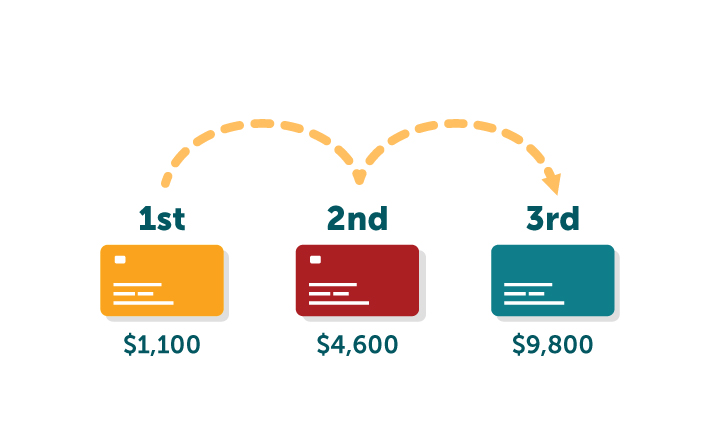
Even paying just the minimum will eventually help you pay down your debt. Just remember to keep your budget for debt payment steady and pay on time. When you pay off one credit card, for example, redirect those minimum payments to the next credit card, and the balance will drop faster.

Reduce interest rates on debt

If you can lower your interest rates on your credit card debt, you can also make your payments go further. Explore balance transfer options with low or no interest. But Black says to use caution: Be sure your credit is good enough that you’re likely to qualify for the offer. If you apply and don’t get the new card, you might end up damaging your credit.

You’ll also want to be sure that you can pay back enough of the debt in time to make the offer period worth it. If the rate jumps after 12 months, for example, does that give you enough time to pay down the debt?

A debt consolidation loan is another option to reduce your overall interest, but that option requires caution, too.

“Make sure you can commit to paying off the new loan without adding more debt to the credit cards you free up,” Black said.

Use a debt consolidation calculator to be sure you will really save money in the long run.

Put vacation plans on hold

If you’ve been saving for a big trip, you might need to push your travel date out a bit and adjust your vacation savings goals. You might need to apply your vacation savings to essentials for a while.

“If that vacation is really important to you, it might be motivating to look closely at your spending and cut out more of what you don’t need,” Black said.

But she cautioned against cutting back too much and not giving yourself any flexibility: “If you’re too strict, you might splurge and put yourself in debt.”

The same goes for other big-ticket goal purchases. Those goals might have been delayed already because of higher prices for things like new cars. Black said it’s important to keep those goals in mind. They just should be a lower priority for a while. However, there are steps you can take to include fun in your budget.

Reduce spending on food

Your grocery budget is one of the areas hit hardest by inflation, with the food index rising 9.5% from February 2022 to February 2023. This is an improvement from the peak in August 2022, when the price of food was up 11.4%, the highest year-over-year increase for at least 20 years.

You have to eat, but there are some things you can do to save on your grocery bill as prices rise. Black offered tips, a few of which she picked up through her own efforts to develop healthier eating habits:

  • Don’t shop for groceries when you’re hungry.
  • Shop with a list.
  • Plan your menu for the week ahead.
  • Buy groceries online and pick them up curbside to limit impulse buys.
  • Shop sales and plan meals around sale items you bought.

Save on gas

In a bit of inflation relief, gas prices have decreased 2% since February 2022. That’s a huge difference from the 60% year-over-year increase in June 2022, according to the Bureau of Labor Statistics. But when you consider gas in Washington state averages $4.30 per gallon, finding ways to reduce the miles you drive and increase fuel efficiency can be a big help to your budget. Bonus: Reducing fuel use is also good for the environment.

Here are a few tips Black has collected over her years helping people with budgeting and saving money:

  • Plan your errands so you can take care of several tasks in one trip.
  • Carpool with people who regularly go the same places you go.
  • Take public transportation where and whenever possible.
  • Shop for lower prices using an app like GasBuddy. (Limit the distance of your search or you’ll cancel the benefits.)

Reduce energy use at home

Utility costs are another category that have increased sharply in the past 12 months: Electricity has increased 12.9% and natural gas rose 14.3%.

Reducing energy use at home will save you money and reduces your carbon footprint. Here are a few ideas to consider:

  • Use programmable thermostats and set the temperature higher when it’s warm and lower when it’s cold.
  • Seal cracks around windows and doors.
  • Seal holes and gaps in ductwork.
  • Install energy efficient lighting.
  • Wrap your water heater in a fiberglass insulating blanket and lower the temperature.

Shop around for insurance

Insurance is one of those services that’s easy to forget about until you need it. But Black said it’s a good idea to revisit your policy at least once a year — more often during periods of inflation.

Review your policy to make sure you only have the coverage you need, then challenge a few insurance companies to win your business.

Cancel or reduce subscriptions

As you go through the exercise of looking at all your expenses, Black advises paying special attention to all your subscription services, including magazines, newspapers, apps and streaming services.

Talk with members of your household to confirm how important some subscriptions are. You might be surprised to find that they no longer use the streaming service they were excited about last year.

If you have cable, think about whether you really need all the channels, or if there is a lower-priced option.

Re-evaluate your cell phone service

Cell phone service, like insurance, is another service you should re-evaluate periodically.

“Your cell phone carrier isn’t going to call you and say you’re not using all the minutes you’re paying for,” Black said. “It’s up to you to make sure you’re paying for what you use and make a change if you’re not.”

Reduce housing costs

Housing costs are the largest portion of most people’s budgets, and, with an 8.1% increase as of February 2023, the average cost of shelter has increased more year over year than it has in at least two decades, according to the Bureau of Labor Statistics. They also can be the most difficult to change for the better.

If you own your home, refinancing your mortgage might save you money, especially if you can get a lower interest rate. But do your homework to be sure you’ll be able to recover any closing costs. Use a mortgage calculator to run the numbers, check current interest rates and talk through scenarios with a licensed mortgage loan officer.

Whether you own or rent your home, you might be able to save by moving to a smaller home or a lower cost-of-living area, especially if you’re able to work from home.

Keep saving if you can

As you evaluate your expenses and figure out how much you can pay toward credit card and other debts, Black advises looking for ways to keep saving.

“Even if it’s a small amount every month or every paycheck, it adds up over time,” Black said. “If you have an emergency, you’ll be glad you saved.”

Resources

Katie J. Skipper writes for BECU about personal finance and social justice topics. Her career spans reporting for newspapers and communicating on behalf of government agencies and private businesses. Learn about Katie’s career and education on LinkedIn.

This article is reprinted from our financial partner BECU’s Money Matters blog. Special thanks to BECU for making events and content at The Whole U possible.